

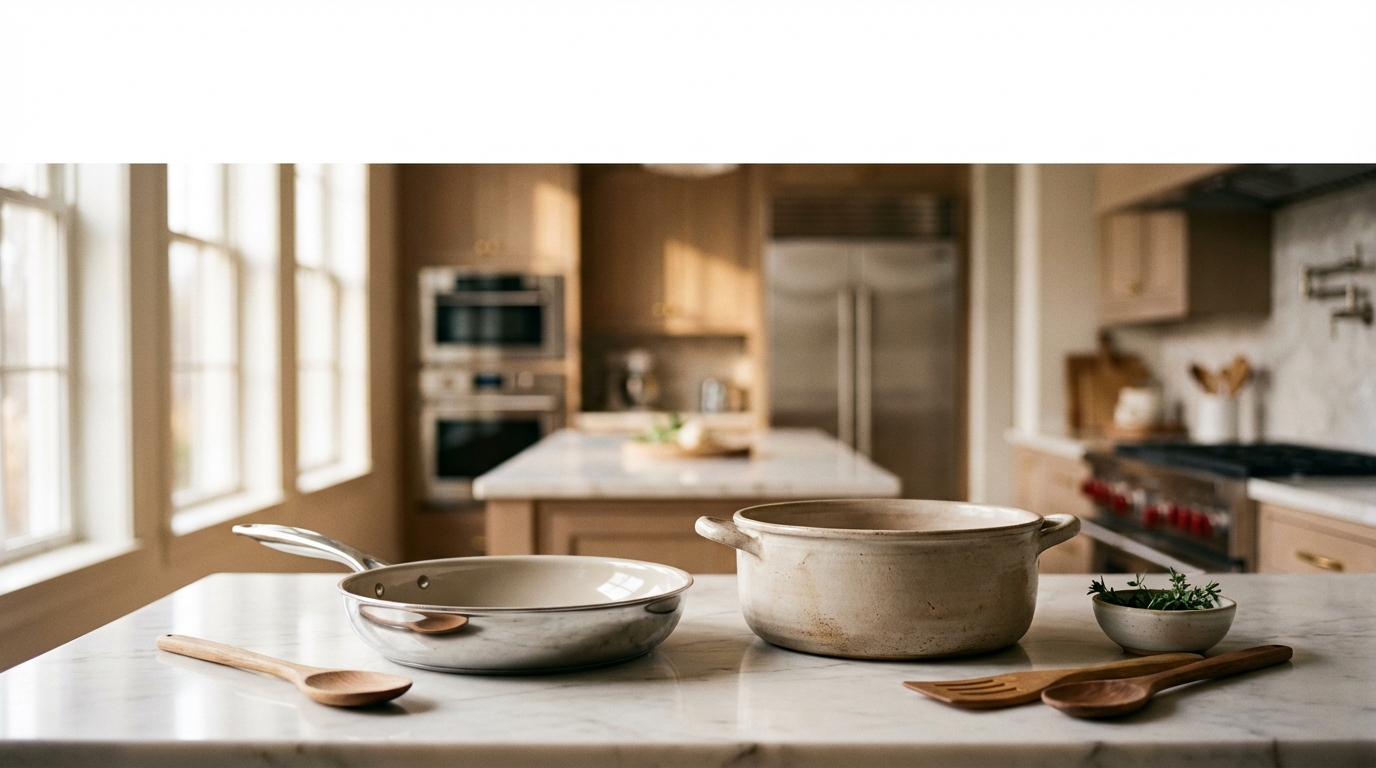
If you've ever wondered why your "ceramic" pan dies in two years while Grandma's clay casserole is still going strong, this article clears the fog: true ceramic cookware is kiln-fired clay that can outlive you, whereas most store "ceramic" pans are merely a thin, silica-based spray on metal that begins to fail once you nudge past medium heat, scratch it with a fork, or subject it to tomato sauce too often. Drawing on Consumer Reports abrasion tests and independent lab data, the piece shows that ceramic-coated surfaces lose their non-stick magic after about six months of everyday use and can chip microscopic particles into food if overheated or scrubbed, while pure ceramic vessels shrug off 500 degreesF, metal utensils, and acidic stews for decades. You'll learn the science behind the coatings, the everyday mistakes that slash pan life (dry pre-heating, aerosol sprays, dishwasher cycles), and the tell-tale signs--warping, stubborn sticking, visible scratches--that signal it's time to recycle rather than risk flakes in your omelet. By matching cookware choice to cooking style--delicate eggs and low-fat weekday meals favor a replaceable ceramic-coated skillet, whereas high-heat sears and slow-simmered sauces reward the one-time investment in true ceramic--the guide helps you budget for replacement cycles, pick utensils that spare the surface, and evaluate warranties so you buy once or buy wisely, not blindly.
Understanding Ceramic Coating vs Bare Ceramic
Ceramic-coated pans ditch PTFE/PFOA for a silica-based spray that bakes on below 800 degreesF, but only the kiln-fired, 2,500 degreesF pure-ceramic kind can outlive you.
The term "ceramic cookware" covers two fundamentally different products that share little beyond their name.
Knowing what sets them apart will help you understand why are ceramic coated pans safe and which option delivers better long-term value.
How Ceramic Coatings Are Made and Why Are Ceramic Coated Pans Safe Matters
Ceramic-coated cookware features a metal base--typically aluminum or stainless steel--covered with a silica-based coating created through a process called sol-gel [1]. This method involves spraying a mixture of silica, metal oxides, and binders onto the pan, then firing it at temperatures between 400 degreesF and 800 degreesF [1]. A more accurate term for these products would be "quasi-ceramic," since the coating doesn't undergo the traditional high-temperature firing that defines true ceramic materials [1].
The sol-gel process creates a hard, glossy surface with nonstick properties by drying a gel-like solution in an oven. The primary safety advantage of ceramic coatings is that they're PTFE-free and PFOA-free, meaning they don't contain the same synthetic fluoropolymers found in traditional Teflon pans [1]. This matters because overheated PTFE coatings can release potentially harmful fumes, while ceramic coatings eliminate that concern entirely.
However, it's worth noting that some ceramic coatings may contain organic polymers or metal oxide nanoparticles that haven't been extensively studied for long-term health effects [1]. The safety profile remains generally positive, but the research is still evolving.
Key Differences in Material Composition and Durability
Pure ceramic cookware takes a completely different approach. These pans are made from 100% natural materials--a blend of clay, water, and minerals--sculpted into shape and fired at temperatures reaching 2,500 degreesF [2]. This high-temperature kiln-firing creates a non-porous, permanently bonded cooking surface.
The durability gap between these two types is substantial. Pure ceramic cookware can last generations with proper care, while ceramic coatings typically degrade within one to three years [2]. This difference stems directly from their manufacturing processes: true ceramic's glaze becomes intrinsically bonded to the piece during firing, while coatings remain more superficial additions to metal bases.
Pure ceramics also offer superior scratch resistance compared to ceramic coatings, which can wear off over time [3]. Because the coating on ceramic-coated pans isn't fired at traditional ceramic temperatures, it remains more vulnerable to physical damage from utensils, cleaning, and everyday use.

Real-World Performance - Chip Resistance Tested
Rigorous lab and kitchen tests show fluoropolymer pans stay 7-14x slicker after 90 bakes and shrug off metal-utensil scrapes that quickly cripple ceramic coatings.
Marketing claims about durability only tell part of the story.
Laboratory testing and everyday cooking scenarios reveal the true performance differences between these pan types.
Lab Test Results for Coating Wear and Chip Risk
A peer-reviewed study published in 2024 evaluated multiple commercial nonstick coatings, including ceramic types, using rigorous methodology [4]. Researchers subjected coated aluminum substrates to 90 consecutive baking cycles using pancake batter, measuring release forces and surface damage throughout. The results were revealing: traditional fluoropolymer coatings (PFA and PTFE) delivered pull-off pressures below 3 kPa, while ceramic siloxane coatings required between 15 and 34 kPa after the same 90 cycles [4].
Put simply, the fluoropolymer coatings maintained release forces 7 to 14 times lower than ceramic alternatives. In a second phase, researchers abraded the coatings by sanding before conducting additional cooking cycles [4]. This accelerated testing showed that while sol-gel ceramic coatings demonstrate excellent hardness, their nonstick performance degrades more quickly under abrasive conditions.
Industry testing standards reflect these findings. Cookware manufacturers typically evaluate products through repeated cooking cycles with various foods--celery, butter, chicken, steaks, tomato sauce, omelets, and pancakes--while monitoring for coating degradation, discoloration, and loss of release properties [5].
Everyday Cooking Scenarios That Stress Pans
In real kitchens, ceramic-coated pans face several common threats to their longevity. Metal utensils pose the greatest risk, as they can easily scratch through the coating and expose the metal core beneath [2]. Even minor scratches compromise nonstick performance and can lead to accelerated degradation. High-heat cooking also takes a toll.
While ceramic coatings are marketed as heat-resistant, many can start breaking down at temperatures as low as 500 degreesF [2]. Searing steaks, stir-frying at high temperatures, or preheating an empty pan can all contribute to premature coating failure. Temperature shock--rinsing a hot pan under cold water--causes another common form of damage. The rapid contraction can warp the pan base or crack the coating, leading to uneven heating and reduced nonstick properties.
Pure ceramic cookware handles these stresses differently. Because the cooking surface is integral to the pan rather than applied as a coating, it won't chip, peel, or flake in the same way. Scratches may occur, but they don't expose a different underlying material or compromise the pan's fundamental safety.
Caring for Your Pan to Maximize Lifespan
Treat your ceramic pan like the investment it is--keep heat under 500 degreesF, banish metal utensils, hand-wash only, and it'll reward you with two to three years of flawless nonstick performance.
The right care practices can significantly extend how long any ceramic cookware performs at its best.
Whether you choose coated or bare ceramic, these guidelines will help protect your investment.
Heat, Utensil, and Cleaning Best Practices
Heat management is critical for ceramic-coated pans. Medium heat is the safe zone--most manufacturers recommend staying below 500 degreesF to prevent coating degradation [6]. Because ceramic pans conduct heat efficiently, you can achieve excellent cooking results without cranking up the burner. Preheat on low to medium for a few minutes before adding food. Utensil selection directly impacts coating longevity. Stick with wood, silicone, or plastic utensils that won't scratch the ceramic surface [7].
Metal spatulas, whisks, and tongs can scrape through even high-quality coatings, accelerating wear. This is especially important for ceramic-coated pans, where scratches expose the metal core beneath. Cleaning approach matters more than many cooks realize. Hand washing with a soft sponge and mild soap preserves coatings far better than dishwasher cycles [6]. The aggressive detergents and intense water pressure in dishwashers can dull or erode ceramic surfaces over time. Always let your pan cool completely before washing--cleaning a hot pan can cause warping. Fat usage also plays a role.
Using quality oils like avocado oil or grass-fed butter provides proper lubrication, prevents sticking, and reduces the need for aggressive cleaning [6]. Even on nonstick surfaces, a small amount of fat improves cooking results and protects the coating. Storage requires attention too. Stacking pans without protection creates scratches and scuffs. Use foam pan protectors, cloth dividers, or a rack system to keep cooking surfaces from rubbing against each other.
Signs It's Time to Replace and How to Recycle Responsibly
Recognizing when a ceramic-coated pan has reached the end of its useful life prevents frustration and potential safety issues. On average, ceramic cookware needs replacement every two to three years, depending on usage patterns [6]. Loss of nonstick properties is typically the first warning sign. When food starts sticking despite proper oil use and controlled heat, the coating has likely degraded [8]. This happens as the surface becomes more porous through normal wear. Visible damage signals more serious problems. Flaking edges, deep scratches, cracks, or peeling spots mean the pan should be retired immediately [8].
These defects aren't just cosmetic--coating flakes can end up in food, and exposed metal may react with acidic ingredients. Warping affects cooking performance and safety. If your pan no longer sits flat on the burner, hot spots will develop and food may cook unevenly [8]. Severe warping creates a tipping hazard with hot contents. Handle issues deserve immediate attention. A loose or wobbly handle can fail during use, creating a dangerous situation with hot food. When it's time to dispose of old cookware, recycling can be challenging because ceramic-coated pans combine metal and coating materials that are difficult to separate [8].
Check with local recycling programs or community collection events for proper disposal options. Some areas have specialized recycling facilities that accept nonstick cookware. If your pan is still functional but simply worn, consider donation to local charities, or pass it along through community marketplaces. Someone with less demanding cooking needs may get additional use from it.


Choosing the Right Misen Pan for Your Kitchen
Match your pan to your cooking style--carbon or stainless steel for blistering sears, ceramic for low-fat breakfasts--and budget for a replacement every 2-3 years so the real cost never surprises you.
Selecting the best pan for your needs means honestly assessing how you cook, what foods you prepare most often, and how much maintenance you're willing to perform.
Matching Cooking Style with Ceramic Coated or Bare Ceramic Options
High-heat cooks who regularly sear meats, stir-fry vegetables, or cook over intense flames may find ceramic coatings limiting. The temperature restrictions can interfere with achieving proper browning and caramelization. For this cooking style, consider Misen's carbon steel or stainless steel options, which handle extreme heat without degradation concerns. Everyday breakfast and lunch cooking is where ceramic-coated pans truly excel.
Eggs, pancakes, grilled cheese, and sautéed vegetables all benefit from effortless release at moderate temperatures. The convenience factor makes mornings easier and cleanup faster. Health-conscious cooks appreciate that ceramic coatings allow cooking with minimal added fat. The nonstick surface works well even with just a light coating of oil, supporting lower-fat cooking approaches. Meal prep enthusiasts who cook large batches may appreciate the durability of pure ceramic or alternative cookware options.
The extended lifespan offsets the higher upfront cost when you're cooking frequently.
Value, Performance, and Warranty Considerations
When evaluating ceramic cookware purchases, think beyond the sticker price. A ceramic-coated pan that costs less but needs replacement every year or two may actually cost more over time than higher-quality alternatives. Consider these factors when making your decision: Replacement frequency: Budget for new ceramic-coated pans every two to three years with regular use.
Calculate the long-term cost and compare against more durable options. Cooking versatility: Ceramic coatings work best for specific applications. If you need a pan that handles everything from delicate eggs to high-heat searing, you may need multiple specialized pieces. Maintenance commitment: Ceramic-coated pans require careful handling to maximize lifespan. If you prefer low-maintenance cookware that tolerates some neglect, stainless steel or cast iron may be better choices. Warranty coverage: Check what's covered and for how long.
A strong warranty indicates manufacturer confidence in durability and provides protection if defects appear. Misen's cookware lineup offers options across different materials, each suited to specific cooking needs. Rather than searching for one pan that does everything, consider building a collection that matches your actual cooking habits.


Conclusion
The choice between ceramic-coated and bare ceramic cookware ultimately comes down to understanding what each type delivers and what trade-offs you're willing to accept. Ceramic coatings offer convenient nonstick performance and PTFE-free safety, but they require careful handling and eventual replacement. Pure ceramic provides exceptional durability but may not offer the same effortless release properties.
For most home cooks, ceramic-coated pans make an excellent addition to the kitchen when used appropriately--primarily for moderate-heat cooking where nonstick release matters most. Pair them with proper care habits, and you'll maximize their useful lifespan while enjoying their convenience benefits. The key is matching your cookware to how you actually cook, not how you imagine cooking.
Assess your daily habits, prioritize the features that matter most, and choose pans that support your real kitchen workflow.
- Ceramic-coated pans last 1-3 years; pure ceramic can last generations with care.
- Coatings degrade above 500 degreesF, while pure ceramic tolerates any home-oven heat.
- Metal utensils and dishwasher cycles create micro-cracks that ruin nonstick performance.
- Visible scratches, sticking food, or pan warping signal immediate replacement for safety.
- Acidic foods and daily high-heat searing accelerate coating failure by months.
- https://ceramics.org/ceramic-tech-today/ceramic-coated-cookware-safety/
- https://xtrema.com/blogs/blog/ceramic-vs-ceramic-coated-cookware
- https://ceraflameus.com/blogs/ceraflame-us-blog/pure-ceramics-or-ceramic-coating-real-differences
- https://www.sciencedirect.com/science/article/pii/S0260877424000256
- https://www.ppg.com/en-US/industrialcoatings/industrial-blog/testing-standard-for-sol-gel-non-stick
- https://www.bobsredmill.com/articles/how-long-does-ceramic-cookware-last
- https://www.fiskars.com/en/cooking/info/maintaining-ceramic-coated-cookware
- https://xtrema.com/blogs/blog/signs-it-is-time-to-replace-your-ceramic-coated-pans