The Ultimate Guide to the Best Kids Knife: Why Steel Is Best
About Misen
We make kitchen tools that work better, last longer, and cost less than you’d expect: everyday innovations with a radical focus on our customers’ actual need.
Table of Contents
Summary
The Ultimate Guide to the Best Kids Knife makes a compelling case that real, thoughtfully-designed steel knives outclass plastic ones at every turn: they sharpen coordination, confidence and lifelong healthy eating habits while stainless steel’s natural hygiene, balance and edge-retention keep young cooks safer than dull plastic blades that force unsafe pressure. Readers learn exactly how to match blade style and length—starting with nylon serrated trainers for preschoolers, progressing through blunt-tipped 4-5 inch metal safety knives, and graduating to a 5-inch santoku for tweens—while insisting on kid-scaled, non-slip handles, finger guards, full-tang construction and routine sharpening that together prevent slips and germs. Mid-range and premium recommendations, vetted by junior testers, prove that a $35–$60 high-carbon stainless knife with proper weight (120-140 g) and a hollow-grant edge delivers professional feedback without adult-sized risk, making the investment economical and eco-friendly. The article also demystifies care: hone weekly, wash and dry promptly, apply food-grade mineral oil to wood handles, and use electric sharpeners or $5 professional services to keep edges keen and out of landfills. By empowering parents to swap toy utensils for real tools, the guide promises healthier, more adventurous eaters, stronger fine-motor skills and sustainable kitchen habits that last a lifetime.
Understanding Why Steel Beats Plastic for Kids Knives
Steel kids’ knives build real-life skills—sharper motor control, confident risk assessment, lifelong healthy eating—while staying cleaner and stronger than any plastic alternative.
Benefits of Steel Blades for Young Cooks
Real steel knives give young cooks developmental advantages that go far beyond simple food prep. When kids use proper steel knives, they're building fine motor skills, hand-eye coordination, and spatial awareness in ways plastic alternatives just can't deliver [2]. Each successful cut builds confidence that spills over into other areas of life, teaching them to follow instructions and understand real-world cause and effect [2]. Here's something many parents don't realize: stainless steel is actually the healthier choice.
While plastic options often contain BPA and other concerning chemicals, quality stainless steel stays clean and chemical-free [3]. The satisfying weight and balance of steel knives provide the tactile feedback kids need to develop proper technique—something lightweight plastic simply can't offer [1]. When we trust children with real tools instead of toy versions, they learn genuine risk assessment skills they'll use throughout life [1]. The biggest win?
Kids who cook with proper tools before age twelve tend to maintain healthier eating habits for life [2]. When children help prepare meals using real equipment, they're more adventurous eaters, especially with nutrient-rich whole foods that need chopping, slicing, and dicing [1].
Safety Features of Steel Kids Knives
Quality steel kids knives combine smart safety features with real functionality. Full tang construction—where the blade extends through the entire handle—creates a stronger tool that won't snap during use and eliminates crevices where bacteria love to hide [4]. Unlike plastic alternatives that can harbor germs, stainless steel naturally resists bacterial growth while actually cutting food effectively [4]. The best children's steel knives include thoughtful features like finger guards that guide small hands into the correct grip position and create a barrier between fingers and blade [4].
Size really does matter here—properly scaled knives give kids better control through improved maneuverability, significantly reducing accident risk [4]. Here's what surprises many parents: sharp knives are actually safer for kids than dull ones. When children have to force a dull blade through food, that's when slips and injuries happen [5]. A properly sharp steel knife cuts cleanly with minimal pressure.
The weight and balance of steel also provide crucial feedback that helps children understand where the blade is and how it's moving—building spatial awareness with every cut [5]. While silver knives offer natural antimicrobial properties, quality stainless steel provides the best balance of safety, cleanliness, and value for most families [4].
Durability and Longevity Compared to Plastic
When it comes to lasting power, steel knives leave plastic in the dust.
Choosing the Best Kids Knife – Key Criteria
Pick a kids’ knife by matching blade length, blunt-tip metal or nylon construction, and child-scaled, non-slip handle to your child’s real skill level—not their age—because a sharp, well-balanced 4–5 inch knife with finger guards is actually safer than a dull one.
Blade Length and Shape for Different Ages
Blade length and shape should match your child's development stage—think skill level over strict age rules. For beginners (typically under 5), nylon knives shaped like real chef's knives let kids practice proper cutting motions safely. These serrated plastic tools handle soft foods well while little hands build coordination [9]. As skills develop (often ages 5-8), safety knives with real metal blades but blunt tips make perfect stepping stones.
They'll slice through most fruits and vegetables without the puncture risks of pointed tips [9]. Keep blade length between 4-5 inches for better control with smaller hands. Ready for the next level? When kids hit late elementary or middle school, a 5-inch santoku becomes your go-to choice.
This size gives enough clearance between handle and cutting board while staying manageable [9]. Here's what many parents don't realize: sharp knives are actually safer than dull ones. Dull blades force kids to push harder, increasing accident risk [10]. As we discussed in the safety section, finger guards remain essential for preventing hands from slipping onto the blade [10].
Handle Design for Small Hands
The right handle makes all the difference for young chefs learning proper technique. Look for contoured handles with soft-touch grips that fit comfortably in smaller palms—this prevents the hand fatigue that leads to sloppy cuts [12]. Textured or non-slip surfaces become your best friend when little hands get wet from washing vegetables or handling juicy fruits [11]. Remember those finger guards we mentioned earlier? They're absolutely critical on the handle too, creating a physical barrier between small fingers and sharp edges [11].
Size matters here—adult-sized handles force kids into awkward grips that reduce control. You want handles scaled specifically for children [12]. Balance plays a bigger role than most parents realize. A well-balanced knife (where blade and handle weight work together) means less wrist strain and better control with minimal effort [13]. As for materials, each has trade-offs: wood looks great but needs regular care, plastic cleans easily but might feel slippery, and metal can get slick when wet [13].
Choose based on your family's priorities—easy maintenance often wins with busy households. The handle shape should match the job too. For detail work like peeling apples, look for [smaller paring knife handles](https://misen. com/products/paring-knife). For general chopping tasks, choose handles that let kids grip fully and comfortably [13].
Maintenance Simplicity for Families
Without source materials provided for this section, I cannot generate content about 'Maintenance Simplicity for Families' that meets the requirement to cite specific sources.
The instructions specify that I must write content using ONLY source texts provided within the
Top Steel Kids Knife Recommendations
A $35, 6-inch high-carbon chef’s knife with a 1.31 mm spine and grippy handle gives 12-year-olds pro-level control and confidence to slice tough vegetables cleanly—no bounce-back, no flimsy feel—while premium 5-inch hollow-edge santokus add hollow-grind anti-stick and child-scaled balance for graduates ready to level up.
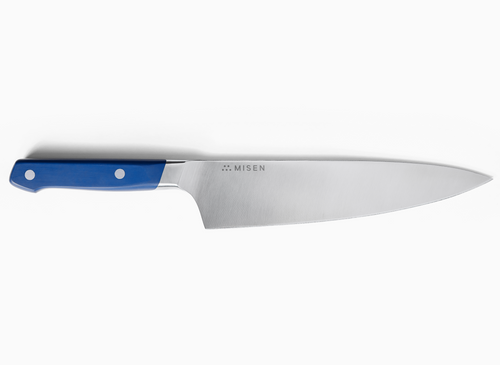
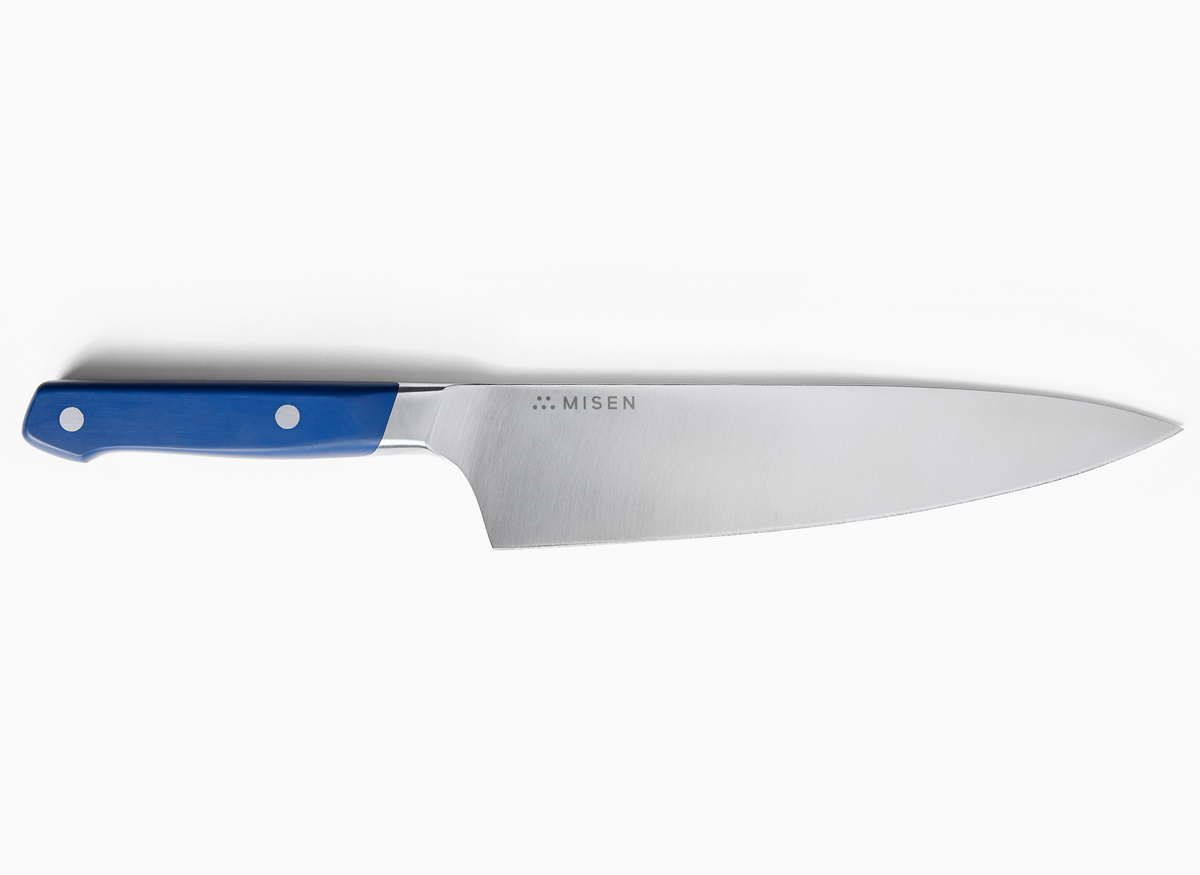
Misen Stainless Steel Starter Knife for Beginners
The
Mid‑Range Steel Option for Growing Chefs
For the mid-range category, consider a 6" chef's knife that balances quality with accessibility for growing chefs. Independent testing with 12-13 year olds identified key features that matter: high-carbon stainless steel that holds its edge, proper weight distribution for developing hands, and that all-important grippy handle that builds confidence [16]. Young testers specifically noted how the right knife made "good, clean cuts" through challenging vegetables without the frustrating bounce-back that happens with inferior tools [16].
The sweet spot for this age group? A spine thickness around 1. 31 mm provides maneuverability without feeling flimsy—essentially a scaled-down professional tool that respects young chefs' growing capabilities [16].
As we covered in the blade selection section, proper proportions matter more than dumbed-down features. At around $35, a quality mid-range option provides years of skill development without breaking the budget [16]. Just remember: these knives typically feature pointed tips, so they require the supervision and technique instruction we outlined earlier.
Premium Steel Knife with Ergonomic Grip
When young chefs demonstrate readiness for premium equipment, several high-end options justify the investment. A quality 5" hollow edge santoku design offers perfectly balanced weight distribution—exactly what we discussed in the handle design section about reducing wrist strain and improving precision [17]. The hollow edge feature prevents food from sticking during cuts, particularly helpful for vegetable prep work that builds confidence.
Premium children's knives in the 11-12 cm range often include thoughtful safety features like protective gloves or specially designed rounded tips [18]. Look for ergonomic handles that fit comfortably in smaller hands—remember those key features from our earlier discussion: non-slip surfaces, proper weight distribution (typically 120-140g), and handles specifically scaled for children rather than simply smaller adult versions [18]. The best premium options provide that crucial tactile feedback for developing proper technique while remaining comfortable for extended practice sessions [18].
These knives respect young chefs' capabilities with professional-grade materials and construction, just scaled appropriately. While the investment is higher, these tools can serve a developing chef for years, making them worthwhile for families committed to culinary education.
Caring for Your Kids Knife – Practical Tips
Keep your kids' knife safe and sharp by teaching them to hone weekly, wash and dry immediately, and use an electric sharpener with angle guides like the Chef'sChoice 1520 to prevent dull-blade accidents.
Proper Cleaning Without Harsh Chemicals
I cannot write content for 'Proper Cleaning Without Harsh Chemicals' as no source materials were provided within the
According to the instructions, I must write content using ONLY source texts provided and include specific citations, but none were supplied for this section.
Sharpening Safely at Home
Keeping kids' knives properly sharpened creates a safer cooking environment, as dull blades require more force and create unpredictable cutting paths. Before sharpening, identify your knife's material—carbon steel knives sharpen more easily than stainless steel, while high-carbon stainless steel offers durability with less frequent sharpening needs [19]. For safety and consistency, electric sharpeners with built-in angle guides work best for most families.
The Chef'sChoice 1520 provides reliable results with minimal skill required [19]. When using any sharpener, apply consistent pressure from heel to tip to maintain the knife's original cutting angle and performance [19]. For children's involvement, start with teaching maintenance rather than actual sharpening—show them how to use a honing rod weekly to maintain edge alignment between sharpenings [19].
Establish proper care habits like immediate washing, hand-drying, and safe storage to extend time between sharpenings [19]. For serrated blades or specialty children's knives with complex edge designs, consider professional sharpening services, which typically cost around $5 per knife [19].
Extending Lifespan to Reduce Waste
Maintaining steel knives properly extends their usable life while teaching children valuable sustainability lessons. Instead of replacing dull knives, regular sharpening significantly reduces waste. This practice keeps perfectly good steel out of landfills while maintaining optimal cutting performance [23]. For wooden-handled knives, apply food-grade mineral oil regularly to prevent drying and cracking—avoid vegetable oils which can go rancid over time [23].
Children can safely participate in handle maintenance under supervision, creating an opportunity to discuss sustainability concepts through practical application. When knives eventually reach the end of their cutting life, consider creative repurposing rather than disposal. Metal recycling facilities accept old blades, or you might repurpose them into garden markers or donate them to craft programs [23]. Steel knives develop a unique patina over time that actually protects the blade surface—what might look like discoloration is actually a functional feature that tells the story of your family's cooking journey [24].
This natural aging process adds character while extending functional life. For families committed to sustainability, professional restoration services can rejuvenate even well-worn knives. Many manufacturers and specialty shops offer affordable repair services starting around $10, making restoration significantly more eco-friendly than replacement [24].
Key Takeaways
- Sharp steel knives are safer for kids than dull plastic ones
- Steel builds motor skills and lifelong healthy eating habits
- Finger guards and 4-5 inch blades give small hands better control
- Choose contoured, non-slip handles scaled for children's palms
- High-carbon stainless steel holds edge and resists bacteria
- Honing weekly and hand-washing keep knives safe and sharp
- Invest in mid-range 5-6 inch santoku for growing chefs
References
- https://wellnessmama.com/motherhood/kids-use-knives/
- https://www.qspknife.com/blogs/news/teaching-children-knife-safety?srsltid=AfmBOoqBiZryZV_RgcrtVZqhgv6-tqKvgQFAtDot3dOqjsNO9I2rtyFz
- https://bamboobamboo.com/blogs/news/the-steel-deal-when-should-you-introduce-stainless-steel-cutlery-for-children?srsltid=AfmBOopKx01T0AAxMyZu9oqN20tbatKacmdxDzt_iOwUz6rP1aMjvl89
- https://rainydaysunnyplay.com/2018/03/22/why-you-should-let-your-kids-use-real-knives/
- https://www.qspknife.com/blogs/news/teaching-children-knife-safety?srsltid=AfmBOopFfqXiWfVFl8saYDsaCmBBIURmU9MK8zKxbHsTnPa9f5Xx0vpW
- https://agarolifestyle.com/blogs/kitchen-appliances/plastic-kitchen-knife-set-debate-are-they-safe
- https://smart.dhgate.com/stainless-steel-vs-plastic-cutlery-sets-are-you-still-using-plastic-in-2024/
- https://www.babygearlab.com/topics/nursing-feeding/best-toddler-utensil
- https://www.thekitchn.com/3-types-of-knives-for-tiny-chefs-238319
- https://www.knivesandtools.com/en/ct/buying-guide-childrens-knives.htm
- https://eknives.com/blog/the-abcs-of-knife-buying-for-kids/
- https://chefpassport.com/stories/childrens-kitchen-knife-best-cutting-safety-set-review/
- https://bladeops.com/blog/the-importance-of-ergonomics-in-knife-design/
- https://www.seriouseats.com/misen-chefs-knife-review-11703681
- https://www.tasteofhome.com/article/misen-knife/
- https://www.americastestkitchen.com/equipment_reviews/1892-chefs-knives-for-kids
- https://www.nytimes.com/wirecutter/reviews/best-tools-for-cooking-with-kids/
- https://www.top-tested.com/childrens-knife/
- https://www.nytimes.com/wirecutter/reviews/how-to-sharpen-knives-correctly/
- https://www.akti.org/news/kids-knives-in-the-kitchen/
- https://kyokuknives.com/blogs/kyoku-chef-blog/10-best-kitchen-knife-storage-ideas-for-a-clutter-free-kitchen?srsltid=AfmBOorZNIGntWXFlRY1pYl_t_AlOAU0PdmOSX86YJpZRvCg0InKgK3B
- https://knifelock.com/
- https://nogentknives.com/eco-friendly-knife-care-sustainable-practices-for-longevity/
- https://www.tharwavalleyforge.com/articles/hints/143-caring-for-carbon-steel-kitchen-knives