

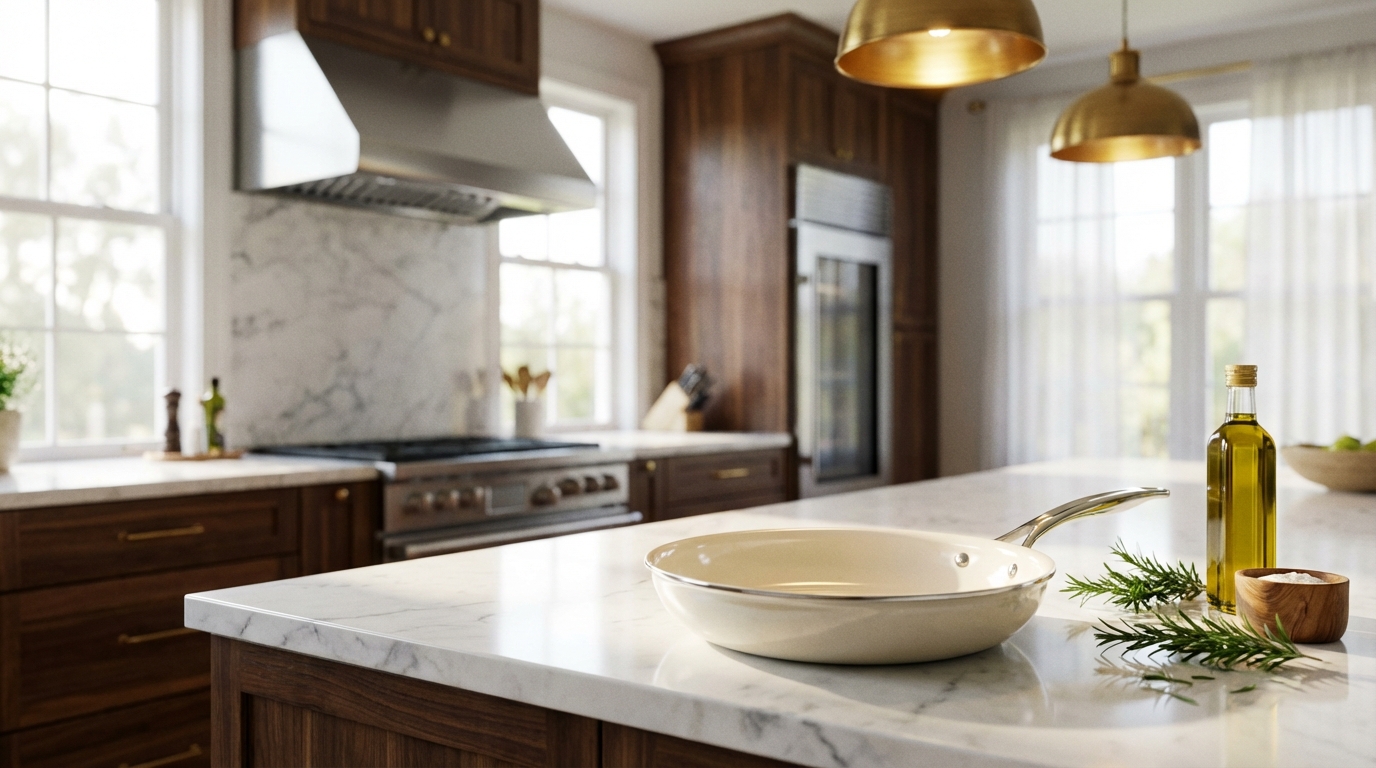
This deep-dive into ceramic-coated cookware reveals that the slick, "nontoxic" surface marketed as a safer alternative can start chipping titanium-dioxide nanoparticles and traces of lead or antimony into your food within months, while its non-stick magic usually fades after 1-3 years of everyday use. Readers will learn exactly how the sol-gel coating is made, why high heat and dishwasher cycles accelerate invisible cracks, and how to spot the moment--visible chips, stubborn sticking, or dull spots--when a pan should be tossed rather than risk chemical leaching. The article weighs ceramic against longer-lasting, PFAS-free options like vacuum-brazed diamond, stainless, cast, or carbon steel, and supplies science-backed care tactics--low-to-medium heat, silicone tools, gentle hand-cleaning--to squeeze the safest, longest life from a coated pan. Ultimately, it equips home cooks to shop smarter: demand third-party test data, reject vague "PFOA-free" claims, and consider investing in uncoated workhorses that can become heirlooms instead of landfill fodder, all without sacrificing searing performance or kitchen convenience.
Understanding Ceramic Coatings and Food Safety
That glossy "nontoxic" ceramic pan on your stove can shed cancer-linked titanium-dioxide nanoparticles into dinner once its sand-based coating starts to crack under heat.
How ceramic coatings are applied and cured
Ceramic coatings transform ordinary metal cookware into non-stick cooking surfaces through a specialized multi-step process. Manufacturers apply these coatings using sol-gel technology, where "sol" refers to the initial liquid solution and "gel" to the solidified form after processing [2]. The process begins with preparing the metal base, typically aluminum chosen for its superior heat conductivity.
The ceramic coating material--primarily composed of silicon dioxide (derived from sand) and other inorganic minerals--is then applied to the cookware through either spraying or dipping methods [1]. After application, the coated pans undergo a crucial curing process at high temperatures, typically between 400 degreesF and 800 degreesF [2]. During this heat treatment, the ingredients in the gel melt together, creating the distinctive slick, glass-like surface that gives ceramic its characteristic appearance [1].
This high-heat firing process hardens the coating and bonds it firmly to the metal base, resulting in the final non-stick surface. While ceramic's heat resistance surpasses traditional non-stick options, understanding its limitations helps you make informed cookware choices--whether you're considering ceramic or exploring alternatives like stainless steel pans for high-heat cooking.
What the research says about chip‑off risk
Research raises significant concerns about what happens when ceramic coatings break down. Despite being marketed as "nontoxic," these coatings can deteriorate within months of purchase, especially when exposed to high heat [5]. Independent testing has detected potentially harmful substances in these coatings, including titanium dioxide nanoparticles--a substance banned in EU food products due to cancer concerns--that can migrate into food when the coating degrades [5][4].
A 2016 study confirmed titanium dioxide nanoparticles in ceramic-coated pans and demonstrated their migration into food during use [4]. Testing by consumer protection sites has found high levels of titanium in several major ceramic cookware brands, along with traces of lead, mercury, and antimony in some products [4]. The regulatory landscape remains inadequate--no federal limits exist for lead in ceramic cookware, and companies aren't required to disclose their proprietary formulations [4].
Washington state has taken the lead by ordering manufacturers to submit their nonstick ingredients for transparency as they investigate potential hazards [4]. Without standardized testing or clear definitions of terms like "nontoxic," consumers have little protection against potential chemical exposure when coatings chip or wear down [5].
Comparing Ceramic to PTFE‑Free Alternatives
Ceramic pans wow you on day one but crack under daily use while diamond-bonded, stainless, cast iron or carbon steel alternatives trade a small learning curve for years of reliable, PFAS-free cooking power.
Performance vs the best non toxic ptfe free frying pan
Let's talk performance--ceramic-coated pans start strong, with eggs sliding around effortlessly and food releasing like magic. But here's the reality: that slick surface typically loses its charm faster than other PTFE-free options. Many home cooks find their ceramic pans struggling within just a couple of years, even with careful maintenance [6]. While these pans initially heat evenly without hot spots, that performance gradually fades [7].
Diamond-infused coatings have entered the game with impressive staying power. Those tiny diamond particles aren't just marketing hype--they genuinely boost scratch resistance and maintain consistent heat distribution longer than standard ceramic [8]. The latest vacuum-brazed diamond technology permanently bonds crystals to the metal, creating a PFAS-free surface that actually lasts [8]. Looking beyond coatings entirely?
You've got solid options. Stainless steel demands a bit of oil but rewards you with even heating and easy cleanup once you master the technique [7]. Cast iron--whether enameled for easy maintenance or traditional for that perfect sear--develops natural non-stick properties that can outlast any coating [7]. Carbon steel pans split the difference, offering cast iron's versatility at a lighter weight. Yes, they need regular seasoning, but many cooks find that ritual part of their charm [7].
Durability and heat tolerance differences
When it comes to heat, ceramic coatings win on paper--they'll handle temperatures up to 850 degreesF (454 degreesC) without breaking a sweat, while PTFE starts breaking down around 500 degreesF (260 degreesC) and can release concerning fumes [9][10]. Sounds great, right? Well, here's where theory meets your stovetop reality. That impressive heat tolerance doesn't translate to longevity. Research shows ceramic's brittle nature makes it surprisingly vulnerable to everyday wear--think tiny chips and micro-cracks that develop even when you baby your pans [10]. This explains why your ceramic pan might start sticking after just 1-2 years, while reinforced PTFE options (enhanced with materials like titanium or diamond) typically soldier on for 3-5 years [9].
The daily cooking experience tells the real story. Crank up the heat for a proper sear? You're accelerating ceramic's decline. Toss it in the dishwasher despite those "dishwasher-safe" claims? You're compromising the coating bit by bit. Even gentle handwashing can't prevent those telltale dark spots and sticky patches from eventually appearing [9].
Here's the bottom line: whether you choose ceramic or PTFE alternatives, you're looking at replacement within a few years. The difference lies in how they fail--ceramic gets brittle and chips, while PTFE gradually wears thin [10]. Those manufacturer promises of "lifetime" performance? Take them with a healthy grain of salt.
Practical Tips to Keep Your Ceramic Pan Safe
Treat your ceramic pan like a delicate instrument--cook low and slow, use only wood or silicone tools, hand-wash gently, and the moment you spot chips, scratches, or stubborn sticking, retire it before microscopic damage turns into a chemical-leaching hazard.
Cleaning and maintenance best practices
Proper maintenance significantly extends ceramic coating lifespan and minimizes potential chemical migration into food. Start by cooking at medium to low heat despite ceramic's high heat tolerance--excessive temperatures accelerate coating deterioration [11]. Before cooking, preheat pans gradually and apply high-quality oils like avocado oil to create a protective cooking surface that prevents sticking and reduces abrasive cleaning needs [11].
Always use silicone, wood, or nylon utensils to prevent scratching the coating, and match your cookware to the appropriate burner size to prevent hot spots that can stress the ceramic surface [11]. For cleaning, let pans cool completely before washing to prevent thermal shock that can cause micro-cracks [12]. For routine cleaning, hand washing with mild soap is safest despite dishwasher-safe claims.
For stubborn residue, soak in warm water, then clean with baking soda and a non-abrasive scrubber--never use steel wool or harsh cleaners [11]. Remove any burnt-on food promptly as these areas can become starting points for coating deterioration [12]. Unlike pure ceramic cookware that can last decades, ceramic-coated pans typically maintain optimal non-stick properties for only 1-3 years even with perfect care [11].
When to replace a chipped or worn pan
Replace ceramic pans at the first sign of coating damage--safety should trump sentimentality. Visible chips, scratches, or cracks create crevices where bacteria grow and increase the risk of metals or chemicals leaching into food [13]. When the non-stick properties fail and food consistently sticks despite proper oiling, the coating has deteriorated beyond repair [14].
Other clear replacement indicators include warping, significant color fading, persistent difficulty cleaning, or loose handles that create safety hazards [14]. While a well-maintained ceramic-coated pan typically lasts 1-3 years with daily use, even microscopic wear compromises performance and potentially safety [14]. Don't attempt to continue using damaged ceramic cookware by adjusting cooking techniques--experts recommend immediate replacement once damage appears [13].
The integrity of ceramic coatings can't be restored once compromised, and cooking on damaged surfaces risks exposing the metal base underneath [15]. For those concerned about frequent replacements, consider switching to solid ceramic (pure clay without metal core), cast iron, or stainless steel options that offer greater longevity, albeit with different cooking properties [14].
Choosing the Right Non‑Toxic Frying Pan for Your Kitchen
Ditch the mystery coatings--demand PFAS-free labels, verify third-party tests, and invest in uncoated stainless, cast iron, or carbon steel pans that outlast ceramics and spare you "forever chemicals."
Key features to look for in a safe pan
When shopping for safe cookware, start with the most important question: what's actually in the coating? Look for pans labeled explicitly as PFAS-free--this means no "forever chemicals" that can accumulate in your body [16]. Here's the thing about "PFOA-free" claims: that particular chemical was phased out back in 2016, so brands touting this are basically telling you they're complying with old regulations while potentially using other harmful substances [16].
As we discussed earlier, ceramic coatings can contain concerning materials like titanium dioxide, so transparency matters. Check if manufacturers provide third-party testing results and are upfront about their materials [16]. If a brand won't tell you what's in their coating or doesn't respond to questions, that's a red flag [16].
For peace of mind, you might want to skip coated pans entirely. Uncoated options like stainless steel, cast iron, and
Affordable, high‑performing options that last
Let's talk budget-friendly options that actually perform. While ceramic-coated pans can offer good initial value, remember that even with perfect care, you're looking at 1-3 years before replacement [17]. That $68 ceramic pan might seem like a deal, but if you're replacing it every couple of years, the math changes. Here's what smart shoppers are doing: investing in uncoated cookware that lasts.
Enameled cast iron delivers exceptional searing and cleanup at reasonable prices--a good 12-inch pan strikes the perfect balance between performance and weight [7]. Traditional cast iron is even more affordable, with many pre-seasoned options arriving ready to cook [7]. Carbon steel deserves serious consideration too. Yes, it requires seasoning and maintenance, but you get versatile stovetop-to-oven performance with excellent heat distribution [7].
The learning curve pays off--these pans improve with use and can become family heirlooms. As we covered in the performance comparison section, these alternatives often outperform ceramic once you master their quirks.
Final Takeaway: Safe, Long‑Lasting Cookware Without Compromise
- Ceramic coatings can degrade within months, releasing titanium dioxide nanoparticles into food.
- No federal limits exist for lead in ceramic cookware, and companies aren't required to disclose ingredients.
- Ceramic pans typically lose non-stick performance within 1-2 years, even with careful use.
- Replace ceramic pans immediately if you see chips, scratches, or food starts sticking consistently.
- Uncoated alternatives like cast iron, carbon steel, and stainless steel last decades longer than ceramic coatings.
- High heat accelerates ceramic coating deterioration despite their 850 degreesF temperature rating.
- Look for explicitly PFAS-free pans, as 'PFOA-free' claims are outdated and potentially misleading.
- https://thecookwareadvisor.com/ceramic-coated-cookware-safety-secrets-that-no-one-will-tell-you/
- https://www.solamexhome.com/is-ceramic-cookware-safe-a-science-backed-guide-for-home-cooks.html
- https://ceramics.org/ceramic-tech-today/ceramic-coated-cookware-safety/
- https://www.theguardian.com/lifeandstyle/2025/jun/09/ceramic-nontoxic-cookware
- https://www.ehn.org/health-claims-unravel-as-nontoxic-ceramic-pans-come-under-scrutiny
- https://greenpan.com.au/blogs/greenpan-blog/ceramic-vs-nonstick-cookware-difference-use?srsltid=AfmBOorh-BvyJ76XJGF_TLwc9LkFvKXgNrvdF3v6gy40SO7e5KA1sfd1
- https://www.consumerreports.org/home-garden/cookware/best-frying-pans-if-you-want-to-avoid-pfas-chemicals-a1006253549/
- https://diamondpans.com/blogs/news/diamond-vs-ceramic-frying-pan-coating?srsltid=AfmBOopo08Bs0lwgC6MC48VDdsWbBdJPcVyx1jJiMd1ydNcE3R9adRED
- https://www.oreateai.com/blog/ceramic-vs-nonstick-cookware-a-deep-dive-into-safety-durability-and-performance/7c6d4752096d9e26a60ee957a7fc395d
- https://www.seriouseats.com/nonstick-vs-ceramic-skillets-7110252
- https://xtrema.com/blogs/blog/lifespan-of-all-ceramic-cookware?srsltid=AfmBOoqRt0Ju07chmVpWt6hiF-_5mxgm8BgAXy1Nrf5eZYnjjUINWpjA
- https://www.bobsredmill.com/articles/how-long-does-ceramic-cookware-last
- https://www.marthastewart.com/is-ceramic-safe-to-cook-with-11824712
- https://xtrema.com/blogs/blog/signs-it-is-time-to-replace-your-ceramic-coated-pans?srsltid=AfmBOor-3aUsPDGGZxzw1qD9TIyjObsOp9BHCN3GhWjTfV0duG2lXiXa
- https://www.foodnetwork.com/healthyeats/healthy-tips/are-ceramic-pots-pans-cookware-safe-to-cook-use
- https://www.seriouseats.com/best-non-toxic-cookware-7553352
- https://www.seriouseats.com/best-ceramic-cookware-8723380
- https://www.foodnetwork.com/how-to/packages/shopping/product-reviews/best-nontoxic-cookware