

Misen's Best Braising Pan: Which One Should You Buy?
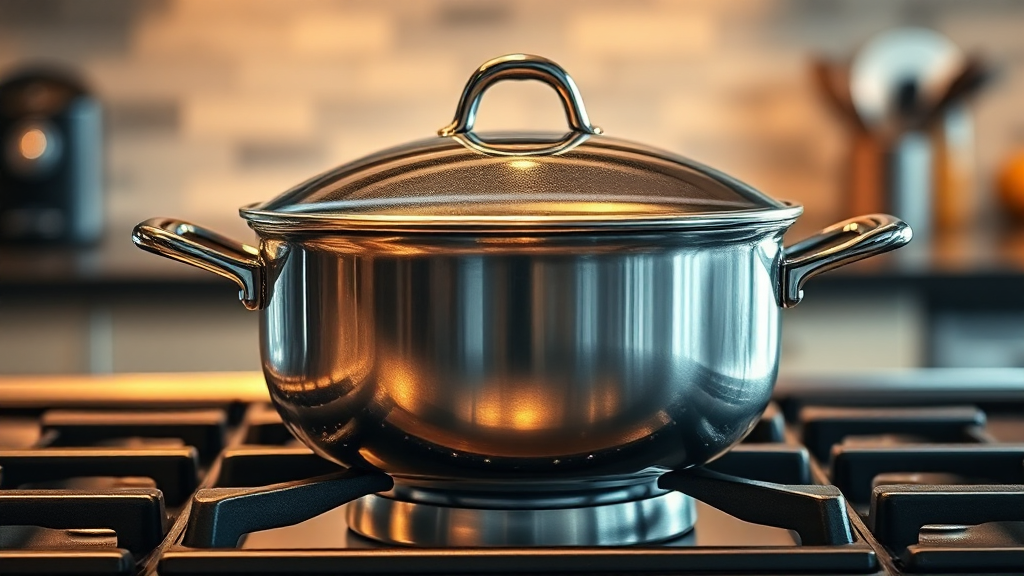
Select a Misen braising pan based on your cooking style and kitchen constraints. Stainless steel offers the best balance of durability and fond development for most home cooks, while carbon steel provides faster heat response if you are willing to maintain its seasoning. Nonstick pans work well for delicate proteins but have limitations with high heat and deglazing.
Defining Your Braising Needs
Identify Your Primary Cooking Style
The first step in choosing a braising pan is understanding how you actually cook. Braising involves searing food at high heat and then simmering it in liquid at a lower temperature, so the pan you select must handle both phases without failing. If your recipes often call for deglazing the pan to create a sauce or glaze, you need a surface that tolerates the addition of cold liquids like water or wine to a hot pan [1].
This technique is central to many braising methods, as the leftover meat bits, known as fond, are full of flavor and essential for a rich sauce. If you frequently braise delicate proteins like fish or poultry, a nonstick surface may be preferable to prevent sticking during the initial sear. Conversely, if you often braise tougher cuts of meat that require a hard sear to develop color and flavor, a more durable material like stainless steel or carbon steel will serve you better.
Consider whether you prefer a pan that can go from the stovetop directly to the oven, which is common in braising to finish the cooking process under a lid. Your cooking style dictates whether you prioritize ease of cleanup, heat responsiveness, or the ability to build complex flavors through fond development.
Assess Kitchen Space and Storage
Beyond cooking performance, the physical constraints of your kitchen play a significant role in your decision. If you have limited cabinet space, the size and stackability of your cookware become critical. Choosing stackable cookware helps you maximize cabinet space, reduce clutter, and streamline your cooking routine, especially in small or shared kitchens [2].
A braising pan is typically larger and deeper than a standard skillet, so measure your available shelf space before purchasing. A 5-quart capacity is a common size for braising pans, offering enough room for a few pieces of meat and liquid without taking up excessive space [3]. If you have a small kitchen or apartment, look for pans with handles that can be removed or that stack neatly with other cookware.
Additionally, consider where you will store the pan when not in use. If you plan to keep it in a drawer, ensure the lid fits comfortably and that the pan does not scratch other items. Your storage situation should inform whether you choose a larger, more versatile pan or a more compact option that fits your existing setup.
Misen Cookware Options for Braising
Nonstick Pans for Delicate Foods
Misen offers nonstick cookware that is well-suited for braising delicate foods such as fish, chicken, or vegetables that are prone to sticking. Nonstick surfaces allow you to sear these items with minimal oil, reducing the risk of tearing or breaking apart during the initial cooking phase.
However, it is important to note that nonstick coatings are not designed for high-heat searing or for the direct addition of cold liquids, which can cause the coating to degrade over time. If your braising recipes involve deglazing the pan to make a sauce, a nonstick pan may not be the best choice, as the fond is less likely to form on a nonstick surface, and the coating may not withstand the thermal shock of adding cold wine or water.
For delicate braises where the focus is on gentle cooking rather than building a thick, browned sauce, a nonstick pan can be a practical and easy-to-clean option. Just be mindful of the limitations: avoid using metal utensils, keep heat at medium or below, and hand-wash the pan to preserve the coating.
Stainless Steel and Carbon Steel for Heat
For cooks who prioritize heat performance and flavor development, stainless steel and carbon steel are excellent choices for braising. Stainless steel is durable, non-corrosive, and does not react to acidic foods, making it suitable for a wide range of braising liquids, including wine, tomatoes, or vinegar-based sauces [4]. It also develops excellent fond, which is crucial for creating rich, flavorful sauces through deglazing [5].
Carbon steel, on the other hand, is known for its fast heat response and ability to develop a natural nonstick seasoning over time [5]. It is lighter than cast iron and more responsive to heat changes, making it easier to control during the braising process. Both materials can handle high heat and are ideal for searing tougher cuts of meat before simmering.
If you enjoy the process of building flavor through browning and deglazing, stainless steel or carbon steel will outperform nonstick options in terms of taste and versatility.
Comparing Performance and Durability
Heat Retention and Distribution
Heat retention and distribution are critical factors in braising, as they determine how evenly your food cooks and how well the pan maintains temperature during long simmering sessions. Carbon steel pans respond quickly to heat changes, heating up fast and cooling down fast, which gives you precise control over delicate foods [6]. However, this also means that the pan loses heat more quickly when you add cold food or liquid, so you may need to adjust the burner temperature as you cook.
Stainless steel, while durable, does not conduct heat as well on its own and is often combined with aluminum or copper in multi-layered bases to improve heat distribution [4]. This makes stainless steel pans more consistent in terms of even heating, which is beneficial for braising, where you want to avoid hot spots that can burn the food or the liquid. Cast iron, while not a primary Misen product for braising, is known for its excellent heat retention, holding cooking heat better than other materials and allowing you to turn off the stove before the food is completely done [7].
When choosing between stainless steel and carbon steel, consider whether you value precise heat control or consistent, even heating more for your braising style.
Coating Longevity and Care
The longevity of your braising pan depends heavily on the material and how you care for it. Nonstick coatings are the most vulnerable, as they can be scratched by metal utensils, degraded by high heat, or damaged by the thermal shock of adding cold liquids. To extend the life of a nonstick pan, use wooden or silicone utensils, keep heat at medium or below, and hand-wash the pan with mild soap. Stainless steel and carbon steel, on the other hand, are much more durable and can last for decades with proper care.
Stainless steel is dishwasher-safe and resistant to corrosion, making it low-maintenance [4]. Carbon steel requires a bit more attention, as it needs to be seasoned to maintain its nonstick properties and prevent rust. After each use, clean the carbon steel pan with warm water and a brush, dry it thoroughly, and apply a thin layer of oil to protect the surface [8]. This seasoning process builds up over time, creating a natural nonstick coating that improves with use [9].
If you are willing to invest a few minutes in post-cooking care, carbon steel offers excellent longevity and performance. Stainless steel, with its minimal maintenance requirements, is a great choice for cooks who prefer a hassle-free option.
Making Your Buying Decision
Budget and Value Considerations
When weighing your options, consider both the upfront cost and the long-term value of each material. Nonstick pans are generally the most affordable, but their shorter lifespan means you may need to replace them more frequently, especially if you use them for high-heat searing or deglazing. Stainless steel and carbon steel pans are more expensive upfront, but their durability and longevity make them a better value over time.
Quality stainless steel cookware can be more expensive, but it is dishwasher-safe and resistant to corrosion, which adds to its long-term value [4]. Carbon steel pans, while requiring more care, can last for 50 to 100 years with proper maintenance, making them one of the most cost-effective options in the long run [5]. If you are on a tight budget, a nonstick pan may be a good starting point, but be prepared to replace it every few years.
If you are willing to invest more upfront, a stainless steel or carbon steel pan will serve you for many years and provide superior performance for braising. Consider your cooking frequency and the types of recipes you plan to make when deciding where to allocate your budget.
Matching the Pan to Your Recipe
The best braising pan for you depends on the specific recipes you plan to make. If you frequently braise delicate proteins like fish or poultry, a nonstick pan is a practical choice, as it prevents sticking and is easy to clean. If you often braise tougher cuts of meat that require a hard sear and a rich, browned sauce, a stainless steel or carbon steel pan is the better option, as these materials develop fond and withstand high heat.
If your recipes involve deglazing the pan to create a sauce, avoid nonstick pans and opt for stainless steel or carbon steel, which are designed to handle this technique. Consider the size of the pan as well: a 5-quart capacity is a good all-around size for braising, offering enough room for a few pieces of meat and liquid without taking up excessive space [3]. If you have a small kitchen, look for a pan that stacks neatly with your other cookware.
Ultimately, the right pan is the one that matches your most common braising recipes, your cooking style, and your kitchen constraints.
Conclusion
Final Recommendation for Your Kitchen
For most home cooks, a stainless steel braising pan offers the best balance of performance, durability, and ease of use. It is durable, non-corrosive, and does not react to acidic foods, making it suitable for a wide range of braising liquids [4]. It also develops excellent fond, which is crucial for creating rich, flavorful sauces [5].
If you are willing to invest a few minutes in post-cooking care, a carbon steel pan is an excellent alternative, offering fast heat response and a natural nonstick seasoning that improves with use [5]. If you primarily braise delicate foods and prioritize ease of cleanup, a nonstick pan is a practical choice, but be mindful of its limitations with high heat and deglazing. Whichever pan you choose, ensure it fits your kitchen space and storage needs, and select a size that matches your typical recipe quantities.
A 5-quart capacity is a good starting point for most home cooks [3]. By matching the pan to your cooking style and kitchen constraints, you will find a braising pan that performs well and lasts for years.
Frequently Asked Questions
-
Which material is best for building flavor through fond?
Stainless steel and carbon steel are the best choices for developing fond, which is essential for creating rich, flavorful sauces through deglazing [5]. Nonstick surfaces are less likely to form fond and may not withstand the thermal shock of adding cold liquids.
- How do I maintain a carbon steel braising pan?
-
Can I use a nonstick pan for traditional braising?
Nonstick pans are practical for delicate braises where the focus is on gentle cooking rather than building a thick, browned sauce. However, avoid using metal utensils, keep heat at medium or below, and hand-wash the pan to preserve the coating.
-
What size braising pan should I buy?
A 5-quart capacity is a good all-around size for braising, offering enough room for a few pieces of meat and liquid without taking up excessive space [3]. If you have a small kitchen, look for a pan that stacks neatly with your other cookware.
- Stainless steel is durable, non-corrosive, and handles acidic braising liquids well, making it a versatile choice for most recipes.
- Carbon steel responds quickly to heat changes and develops a natural nonstick seasoning over time, but requires regular maintenance to prevent rust.
- Nonstick pans are practical for delicate foods like fish or poultry but are not ideal for high-heat searing or deglazing, as the coating can degrade.
- A 5-quart capacity is a common size for braising pans, offering enough room for meat and liquid without taking up excessive cabinet space.
- https://www.theculinaryexchange.com/blog/how-do-you-deglaze-a-pan/
- https://techvib.com/best-stackable-cookware-sets-small-kitchens/
- https://www.curatedcook.com/articles/best-braising-pan/
- https://www.abc.net.au/news/2025-08-15/choosing-the-best-type-of-pots-and-pans/105594100
- https://elmnt726.com/blogs/news/carbon-steel-vs-stainless-steel
- https://www.wslcoolstuff.com/blogs/news/cast-iron-vs-carbon-steel-which-pan-do-you-really-need-and-why
- https://www.bartleby.com/essay/Advantages-Of-Non-Stick-Cookware-PJYSB7GZKU
- https://cruciblecookware.com/blogs/tips-and-inspiration-for-cookware-cooking-baking/cast-iron-care-101-how-to-season-clean-and-maintain-your-skillet-for-a-lifetime-of-use
- https://www.potsandpans.in/blogs/articles/cast-iron-cookware-how-it-can-last-a-lifetime