

5 Key Factors for Choosing Non-Toxic Non-Stick Pans
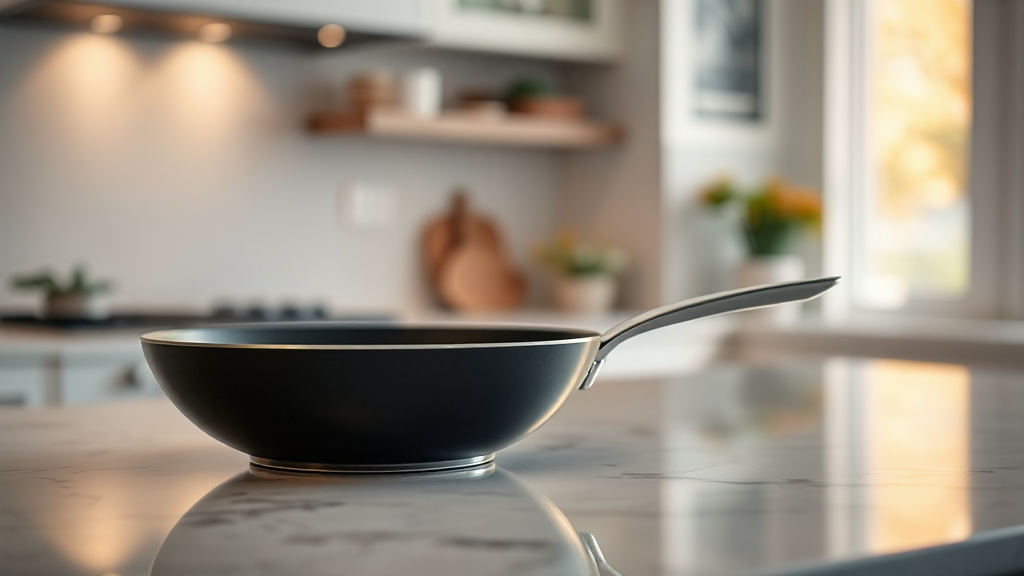
Choosing a non-toxic non-stick pan requires verifying explicit "PFAS-free" and "lead-free" labels, assessing coating durability, and matching the pan's weight and size to your cooking habits. A multi-layer coating with a thick aluminum or copper base provides better heat distribution and longevity than single-layer finishes. Calculate the cost per year based on expected lifespan to determine true value, and prioritize hand-washing with wooden or silicone utensils to preserve the surface.
Verify Material Safety and Coating Integrity
Check for PFOA, PFAS, and Lead-Free Certifications
Start by reading the product description for explicit statements that the pan is free of PFOA, PFAS, PTFE, and lead. "PFOA-free" alone is not enough, because PTFE (Teflon) is a PFAS, and a pan can be PFOA-free while still containing PFAS.[1] Look for "PFAS-free" or "PTFE-free" to confirm the coating is not in the "forever chemical" family.
Also verify that the pan is lead-free, as some lower-quality coatings may contain lead. The FDA notes that PFAS can enter food through cookware, and BfR warns against overheating PTFE pans, so avoiding the coating entirely is the safest route.[1] Be cautious with brands that claim "PTFE-free" or "PFOA-free" but may use similar chemicals under different names.[2] If a pan is labeled "ceramic," check whether it is 100% clay-based or just an aluminum pan with a sol-gel ceramic coating, as the latter degrades faster and has unknown long-term safety data.[3]
Assess Coating Durability Against Scratching and Peeling
Before buying, check the manufacturer's specifications for the coating type and construction. A multi-layer coating, such as a three-layer construction with an aluminum core, is generally more durable than a single-layer finish.
Once you have the pan, monitor for scratching, peeling, flaking, and persistent sticking, as these are the four main signs that the coating is failing.[4] Damaged non-stick surfaces can release nanoparticles, so stop using a pan if the coating is clearly scratched or peeling.[1] To extend the life of the coating, avoid using metal utensils and keep the pan at medium heat. The coating's condition is a better indicator of when to replace a pan than its age alone.[5]
Evaluate Heat Distribution and Cooking Performance
Test for Even Heat Spread to Prevent Hot Spots
Uneven heat distribution causes food to burn in some spots and undercook in others. This is especially problematic for delicate tasks like melting chocolate, scrambling eggs, or making cream sauces.[6] Look for pans with a thick aluminum base or a copper core, as these materials offer the best heat conductivity.[7] Thin or warped pans fail to spread heat properly, leading to hot spots.
You can test a new pan using a simple butter test: melt a small amount of butter in the pan and watch how it spreads. If it melts uniformly without bubbling or burning in specific areas, the pan distributes heat evenly.[7]
Match Pan Weight and Handle Design to Your Grip
A pan that is too heavy can cause fatigue, while one that is too light may feel flimsy and unstable. For most home cooks, a lightweight aluminum construction is a practical choice for everyday use, as it is easy to maneuver.
Check the handle attachment: riveted handles are generally more secure and durable than glued or plastic-only handles, especially for heavier pans. A wooden handle is a good option for heat resistance and comfort, but ensure it is securely attached.
If you have limited grip strength, choose a pan with a shorter, thicker handle that provides better leverage. The pan should feel balanced in your hand, with the weight distributed so that you can tilt and shake it without straining your wrist.
Compare Long-Term Value and Maintenance Requirements
Calculate Cost Per Year Based on Expected Lifespan
To determine if a pan is a good value, calculate the cost per year. Divide the purchase price by the expected lifespan in years.
For example, a $100 pan that lasts 5 years costs $20 per year. With gentle use and careful cleaning, many non-stick pans provide several years of good service before the coating wears out.[8] Ceramic-coated pans may only last 6-12 months of regular use, which significantly increases their cost per year.[3] A calendar estimate is not a reliable deadline; instead, base your replacement decision on the pan's actual condition, such as food release and surface integrity.[9] Investing in a higher-quality pan with a durable coating often results in a lower cost per year than replacing a cheap pan every year.
Review Care Instructions for Dishwasher and Utensil Compatibility
Most non-stick pans last longer with gentle handwashing, as dishwasher detergents and heat can wear the coating faster.[8] Always check the manufacturer's care instructions to confirm whether a pan is dishwasher-safe.
For utensils, use wooden spoons, silicone spatulas, or heat-resistant nylon tools to avoid scratching the surface.[8] Avoid using sharp items or cutting food directly in the pan, as this can damage the ceramic or non-stick coating.[10] If you choose a ceramic-coated pan, stick to medium heat and use oils with a high smoke point, such as rapeseed oil or clarified butter.[10]
Select the Right Size and Shape for Your Kitchen
Choose Diameter Based on Typical Portion Sizes
The diameter of your pan should match the amount of food you typically cook. A 26 cm (about 10-inch) pan is a versatile choice for everyday cooking, suitable for a household that cooks regular meals.
If you frequently cook for more than two people or like to prepare large batches, a 28 cm (about 11-inch) pan offers more surface area. For smaller households or single-serving meals, an 8-inch pan may be sufficient.
Always check the product details for the exact diameter, material, and hob compatibility before buying to ensure the pan fits your stovetop and your cooking habits.[11]
Decide Between Frying Pans and Sauté Pans for Versatility
A standard frying pan has low sides, making it ideal for searing, frying, and flipping foods like eggs, pancakes, and meats. A sauté pan has higher sides, which is better for braised dishes, sauces, and vegetables that need more space to cook without splattering.[11] If you only have room for one pan, a sauté pan offers more versatility because it can handle both frying and simmering tasks.
Look for a sauté pan with a matching glass lid, which helps with steaming and braising.[11] Consider your most common cooking tasks: if you mostly fry and sear, a standard frying pan is the right choice. If you often make sauces or cook vegetables, a sauté pan will serve you better.
Conclusion
Final Checklist for Your Non-Toxic Pan Purchase
Before you buy, run through this checklist to ensure your pan is safe, durable, and suited to your kitchen:
- Safety Certifications: Confirm the pan is PFOA-free, PFAS-free, PTFE-free, and lead-free. Avoid vague labels and check for explicit "PFAS-free" statements.[1]
- Coating Durability: Look for a multi-layer coating and a reputation for resisting scratches and peeling.
- Heat Distribution: Choose a pan with a thick aluminum or copper base for even heating. Test it with the butter method if possible.[7]
- Handle and Weight: Ensure the handle is securely riveted and the pan is lightweight enough for comfortable use.
- Value and Care: Calculate the cost per year based on expected lifespan and confirm the pan is hand-wash only to protect the coating.[8]
- Size and Shape: Pick a diameter that matches your portion sizes and choose a sauté pan if you need higher sides for versatility.[11]
Frequently Asked Questions
- What specific labels confirm a pan is free of toxic chemicals?
-
How can I test if a new pan has even heat distribution?
Melt a small amount of butter in the pan and observe how it spreads. If the butter melts uniformly without bubbling or burning in specific areas, the pan distributes heat evenly. Pans with thick aluminum or copper bases typically perform better in this test.[7]
- When should I replace my non-stick pan?
-
Is it safe to put non-stick pans in the dishwasher?
Most non-stick pans last longer with gentle handwashing because dishwasher detergents and high heat can wear the coating faster. Always check the manufacturer's care instructions to confirm if a specific pan is dishwasher-safe.[8]
-
Which pan shape is more versatile for everyday cooking?
A sauté pan with higher sides is more versatile because it can handle both frying and simmering tasks, making it suitable for braised dishes and sauces. A standard frying pan with low sides is better for searing and flipping foods like eggs and meats.[11]
- Look for explicit "PFAS-free" and "PTFE-free" statements, as "PFOA-free" alone may still contain other forever chemicals.[1]
- Replace the pan when you notice scratching, peeling, flaking, or persistent sticking, as these indicate coating failure.[4]
- Use a thick aluminum or copper base for even heat spread, which prevents hot spots during delicate cooking tasks.[7]
- Hand-wash the pan and use wooden or silicone utensils to extend the coating's lifespan and prevent scratches.[8]
- Select a 26 cm (10-inch) diameter for general use, or a sauté pan with higher sides if you frequently simmer or braise.[11]
- https://thegoodlifedesigns.com/best-non-stick-pans-without-teflon/
- https://www.360cookware.com/blogs/360-cookware-blog/360-cookware-blog-non-toxic-cookware-safe-eating
- https://www.usevedic.com/article/safest-cooking-pans-guide
- https://thehouseland.com/blogs/kitchen/long-lasting-frying-pans-titanium-frying-pan-checks
- https://thehouseland.com/blogs/kitchen/how-long-do-pans-last-coated-vs-uncoated-frying-pan
- https://medium.tastyble.com/know-your-pans-cold-spots-712d71481f30
- https://curtisstone-cookware.com/how-good-cookware-distributes-heat-evenly/
- https://europeanhousehold.com/blogs/news/how-to-care-for-nonstick-cookware-the-right-way
- https://thehouseland.com/blogs/kitchen/how-often-should-you-replace-nonstick-pans-is-yours-too-old
- https://www.imesh-kitchenware.com/resources/how-to-care-for-your-ceramic-pans.html
- https://m.joybuy.de/blog/non-stick-frying-pan-guide/rW57NXq7