

Best Dutch Oven for Homeowners: Size, Material & Budget Guide
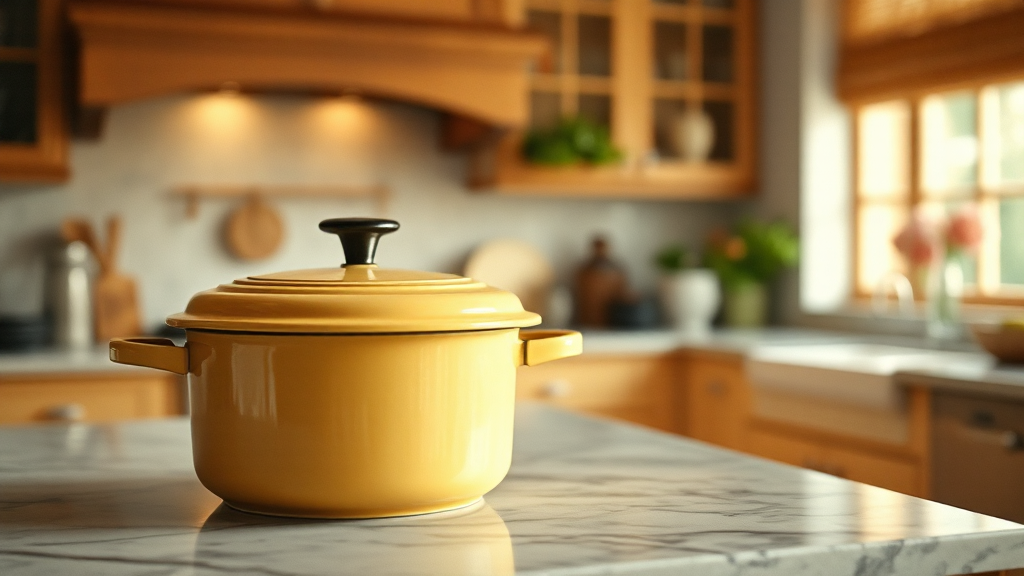
To select the right Dutch oven, start by assessing your household size and typical cooking volume. If you cook for one or two, a 3.5- to 4-quart model is practical; for three to four, a 4- to 5-quart pot is versatile; and for larger households or frequent entertaining, a 6- to 7-quart size is ideal. Next, decide between enameled and bare cast iron based on your maintenance tolerance. Enameled cast iron is non-reactive, easier to clean, and better suited for acidic foods, while bare cast iron offers superior high-heat performance and a seasoned non-stick surface but requires more care. Finally, verify that the pot fits your stovetop and oven, and consider your budget. Entry-level options like the Lodge 6-Quart Enameled Cast Iron Dutch Oven offer great value, while premium models like the 7 QT Enamel Cast-Iron Dutch Oven - Grill & Silicone Lid - Sage provide enhanced design and durability. Once you have made your selection, ensure you follow the appropriate care routine to extend the lifespan of your cookware.
Choosing the Right Size for Your Household
Helpful aside: If you're unsure about your household size needs, start with a 5.5-quart Dutch oven. It's the most versatile size for most home kitchens and works well for households of three to five people.
Match Capacity to Your Cooking Frequency
Capacity is the first decision that affects daily usability. A 5.5- to 6-quart Dutch oven is the classic all-purpose size, large enough for a whole roast chicken, a pot of beans, or a family-size pasta bake, yet still manageable when full [1]. For a household of three or four members, a pot in the four to five-quart range is often considered a versatile choice, accommodating a whole chicken for braising, a generous amount of soup or stew, or a sizeable batch of pasta sauce [2]. If you frequently host dinners or have a larger family, a cast-iron Dutch oven with a capacity of six quarts or more becomes valuable, allowing you to prepare substantial recipes like a large pot of chili or a big batch of stock [2].
For individuals or couples, a smaller pot, perhaps two to three quarts, can be a good fit, as it is easier to handle and perfect for preparing soups, oatmeal, or a small batch of beans [2]. The 5.5 QT Enamel Cast-Iron Dutch Oven - Grill & Silicone Lid - Classic Blue is a solid choice for households that regularly cook for three to five people, offering a balance between capacity and liftability. If your routine involves frequent large-batch meal prep or entertaining, the 7 QT Enamel Cast-Iron Dutch Oven - Grill & Silicone Lid - Gray provides the extra room needed for generous quantities, though the added weight is a practical trade-off to consider.
Measure Your Stovetop and Oven Space
Before purchasing, verify that the physical dimensions of the Dutch oven fit your kitchen equipment. Measure the diameter of your largest stovetop burner and ensure the base of the pot does not significantly overhang the heating element. On gas stoves, a slight overhang is acceptable, but on electric coil or ceramic glass cooktops, the pot should sit squarely within the burner area to ensure even heat distribution and prevent glass cracking.
Check the clearance of your oven racks; a Dutch oven with a tall lid may not fit on standard racks if the oven interior is shallow. Additionally, consider the weight of the pot when full. A 7-quart cast iron pot can weigh over 15 pounds when empty, and significantly more with liquid.
Ensure you have the strength and the proper grips to move it safely between the stove and oven. If you have a smaller oven or a lighter-lift preference, the 6.75 QT Stainless Steel Dutch Oven offers a lighter alternative that still provides substantial capacity for soups and braises.
Material Selection: Enameled vs. Bare Cast Iron
Enameled Cast Iron for Low-Maintenance Cooking
For most modern home cooks, enameled cast iron is the better fit. It offers the heat retention cast iron is loved for, but without the seasoning routine and with much easier cleanup [1].
One of the key benefits of enameled cast iron is its non-reactive surface; unlike traditional cast iron, it doesn't react with acidic foods such as tomatoes, vinegar, or citrus, allowing you to cook a wide variety of dishes without worrying about unwanted flavors or colors [3]. The enamel surface prevents food from sticking, which means less scrubbing, and most enameled cast iron cookware is dishwasher safe, though hand washing is often recommended to preserve the finish [3].
The 5.5 QT Enamel Cast-Iron Dutch Oven - Grill & Silicone Lid - Sage features a light interior, which makes it easier to judge browning and spot fond developing on the bottom, a helpful visual cue for precision cooking [1].
Bare Cast Iron for High-Heat and Outdoor Use
Bare cast iron has its loyalists, especially for campfire cooking or cooks who enjoy traditional care [1]. Bare cast iron is preferred for high-heat searing and outdoor cooking due to its ability to withstand extreme temperatures and its development of a natural seasoning that enhances non-stick properties over time.
The even heat distribution and durability of bare cast iron make it a must-have for outdoor cooks who want hearty meals while on outdoor adventures [4]. For everyday kitchen use, enameled interiors tend to be more versatile and more elegant on the counter and table, but if your priority is direct flame compatibility and a seasoned, non-stick surface, bare cast iron is the right choice.
Keep in mind that bare cast iron requires regular maintenance to prevent rust and maintain its seasoning, which is a significant difference from the low-fuss nature of enameled options.
Budget Tiers and Value Considerations
Entry-Level Options Under $100
You can find high-quality Dutch ovens for under $100 that perform well for everyday cooking. The Lodge 6-Quart Enameled Cast Iron Dutch Oven is an excellent choice for most home cooks, offering exceptional value and a proven track record of durability [5].
For the budget-conscious buyer, the Zulay Kitchen 6-Quart Dutch Oven is a top pick for its very low price, thick cast iron construction, and a rare lifetime warranty for a product in this price range [5]. These entry-level options provide the core benefits of cast iron - heat retention and durability - without the premium price tag.
If you are looking for a lighter-weight option that still offers excellent heat control, the 6.75 QT Stainless Steel Dutch Oven is a modern alternative that is easier to handle and clean, making it a practical choice for those who prioritize ease of use over the traditional feel of cast iron.
Premium Features Worth the Investment
Premium Dutch ovens justify their higher cost through superior enamel quality, thoughtful design, and brand-specific technologies that improve longevity and performance. Le Creuset's handle design, for example, provides a space large enough to fit mitted gloves comfortably while cooking and moving the heavy pot around without sacrificing quality [6].
Their lids fit tighter than most, featuring a self-basting drip function and stainless steel lid handles, making traditional Dutch ovens the gold standard kind of cookware [6]. The 7 QT Enamel Cast-Iron Dutch Oven - Grill & Silicone Lid - Black offers a similar premium experience with a durable chip-proof enamel and a silicone lid that simplifies handling and storage.
Investing in a premium Dutch oven often means paying for better heat distribution, more comfortable ergonomics, and a finish that remains vibrant and functional for decades.
Care and Maintenance to Extend Lifespan
Preventing Rust on Bare Cast Iron
Rust is created when a reaction between iron and oxygen takes place, and preventing it requires consistent care [7]. To prevent future rusting, it is important to remember not to accidentally leave your cast iron pots and pans soaking in water overnight [7].
Even more critically, you need to make certain you thoroughly dry this sort of cookware after you clean it; there cannot be the tiniest drop of moisture left on it, or you are creating the perfect rust storm [7]. You also want to make certain that you're storing your cast iron pots and pans in a cool, dry place where they're not susceptible to humidity [7].
If rust does appear, you can restore the pan by dampening a sheet of aluminum foil and running it over the rust, which causes a transfer of electrons that undoes the rusting process [7]. After removing rust, re-season the pot with a thin layer of oil to protect the surface.
Cleaning Enameled Surfaces Safely
Enameled cast iron is much easier to clean compared to its traditional counterpart, but it still requires gentle care to maintain its finish [3]. Light staining and discoloration are normal cosmetic signs of regular use, especially after browning meats or long braises [8].
To restore brightness, create a paste of baking soda and water, let it sit on the stain, and gently scrub with a non-abrasive sponge [8]. Alternatively, a specialized ceramic cleaner can lift persistent discoloration [8].
While many brands state their enameled cookware is dishwasher safe, hand washing is strongly recommended to prevent the aggressive detergents and high-pressure water streams from gradually dulling the glossy exterior finish [8]. Avoid using metal utensils or abrasive scrubbers, as chipping is almost always caused by physical impact, such as banging metal utensils against the rim or dropping the heavy vessel onto a hard floor [8].
Frequently Asked Questions
-
What size Dutch oven should I get for a household of two?
For a household of two, a 3.5- to 4-quart Dutch oven is ideal. It's manageable to lift, easier to clean, and perfect for preparing soups, oatmeal, or small batches of beans. The 5.5-quart size is better suited for households of three to five people.
-
Is enameled cast iron really easier to clean than bare cast iron?
Yes, enameled cast iron is significantly easier to clean than bare cast iron. The enamel surface prevents food from sticking, reducing scrubbing time. Most enameled cast iron is dishwasher safe, though hand washing is recommended to preserve the finish. Bare cast iron requires seasoning and more careful cleaning to prevent rust.
-
Can I use my Dutch oven on an induction cooktop?
Most Dutch ovens are compatible with induction cooktops, but you should verify the base material. Enameled cast iron and stainless steel Dutch ovens typically work well on induction surfaces. Check the product specifications to confirm compatibility with your specific cooktop model.
-
How do I prevent enamel from chipping?
To prevent enamel chipping, handle your Dutch oven gently, avoid dropping it, and don't use metal utensils that can scratch the surface. Store pots with soft pan protectors between them to prevent contact. Always use silicone or wood tools when cooking to avoid damaging the enamel.
-
What's the difference between enameled and bare cast iron?
Enameled cast iron has a non-reactive surface that doesn't react with acidic foods like tomatoes or citrus, making it versatile for soups, braises, and sauces. It's easier to clean and maintain, with no seasoning required. Bare cast iron requires regular seasoning, is better for high-heat searing, but can react with acidic ingredients and needs more maintenance.
- Match Dutch oven capacity to your household size: 3.5-4 quarts for 1-2 people, 4-5 quarts for 3-4 people, 6-7 quarts for larger households or frequent entertaining.
- Enameled cast iron is non-reactive, easier to clean, and better for acidic foods, while bare cast iron offers superior high-heat performance but requires more maintenance.
- Entry-level options like the Lodge 6-Quart Enameled Cast Iron Dutch Oven offer great value under $100, while premium options like the 7 QT Enamel Cast-Iron Dutch Oven - Grill & Silicone Lid - Sage provide enhanced design and durability.
- https://chantal.com/es/blogs/recipes/best-cast-iron-dutch-ovens
- https://www.cookware-factory.net/news/industry-news/cast-iron-dutch-oven-size-selection-and-capacity-considerations.html
- https://cruciblecookware.com/blogs/tips-and-inspiration-for-cookware-cooking-baking/exploring-the-benefits-of-enameled-cast-iron-cookware
- https://clankitchen.com/best-camping-cookware-for-open-fire/
- https://www.accio.com/biz-cheap/best-affordable-dutch-oven
- https://ovenspot.com/why-is-le-creuset-so-expensive/
- https://www.yahoo.com/lifestyle/keep-cast-iron-rust-free-154531520.html
- https://www.centercookware.com/how-to-clean-your-enamel-cast-iron-dutch-oven/