

Budget Dutch Ovens: Best Value for Home Cooks
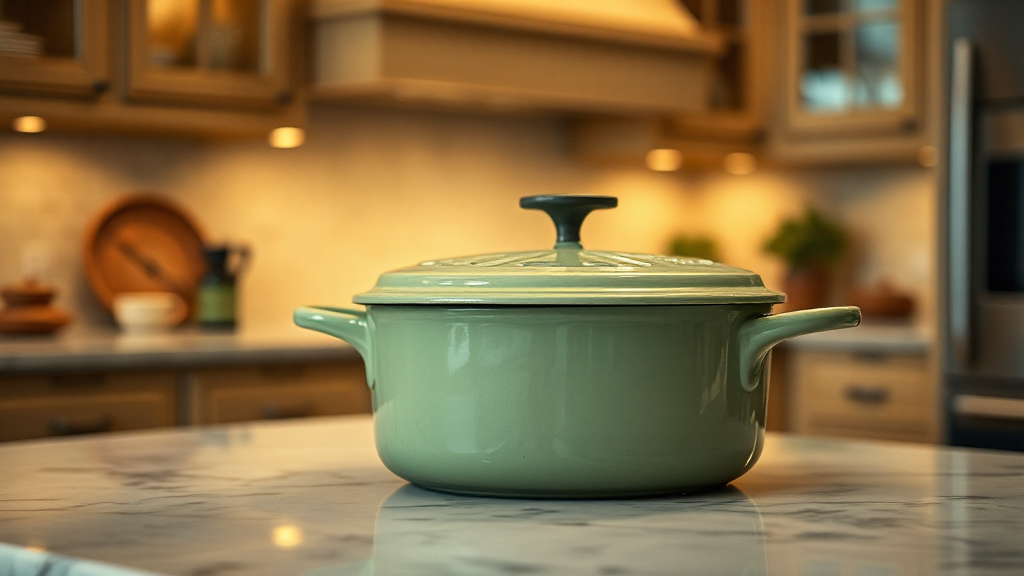
A cost-effective Dutch oven balances thick cast-iron heat retention, durable enamel, and a size that fits your household. For most home cooks, the 5.5-quart range offers the best mix of capacity and manageable weight, while sub-$100 options like the Lodge 6-Quart provide solid performance without the premium price tag.
Identifying True Value in Enamel Cast Iron
Material Quality vs. Price Point
Value in a Dutch oven comes from how well the material handles heat and how long the finish lasts, not just the sticker price. A quality pot uses thick-walled cast iron that absorbs heat slowly but distributes it with extreme uniformity and retains it for a long time[1]. This physical property is the foundation for energy-efficient cooking at low to medium temperatures, which is exactly what you want for braises, stews, and slow roasts.
Premium brands invest heavily in material quality, precision manufacturing, and durable multi-layer enamel coatings, which results in superior thermal performance and greater resistance to chipping[2]. When you compare a $100 pot to a $250 pot, you are paying for that precision in the iron casting and the number of enamel layers. If your cooking habits involve frequent, long-duration braises where consistent heat is critical, the higher price point often pays for itself through better results and longevity.
For occasional use, a solid mid-range option that still offers thick iron and a good enamel seal can deliver most of the same benefits without the premium markup.
The Role of Enamel in Durability
Enamel is a glass coating fused onto iron at extreme temperatures, creating a non-reactive surface that does not require seasoning[3]. This coating protects the cast iron core from rusting over time when exposed to moisture[4]. However, the tactile durability has limits.
If you drop a metal spatula too hard or shock the pot with cold water while it is hot, the enamel can chip[3]. Once chipped, the underlying iron is exposed to rust. The quality of the enamel determines how well it resists these daily kitchen hazards.
A multi-layer enamel is more resistant to chipping and thermal shock than a single thin coat[1]. When evaluating value, look for a pot with a smooth, even finish that feels solid to the touch. The 5.5 QT Enamel Cast-Iron Dutch Oven - Grill & Silicone Lid - Sage features thick cast-iron walls and durable chip-proof enamel, making it a strong choice for cooks who want a finish that holds up to regular use without constant worry about rust spots.
Selecting the Right Size for Your Kitchen
Matching Capacity to Household Size
The capacity of your Dutch oven should match the number of people you typically feed. For individuals or couples, a smaller pot of two to three quarts is often sufficient for side dishes, sauces, or small stews[5].
For a household of three or four members, a pot in the four to five-quart range is considered a versatile choice[5]. This size can accommodate a whole chicken for braising, a generous amount of soup, or a sizeable batch of pasta sauce.
If you frequently host dinners or have a larger family, a cast-iron Dutch oven with a capacity of six quarts or more becomes valuable for preparing substantial recipes like large pots of chili or big batches of stock[5]. The 5.5-quart size sits right in that sweet spot for most family kitchens, offering enough room for a family dinner without being so large that it feels unwieldy.
Storage Space and Weight Considerations
Before you buy, consider the number of people, available storage space, and hob size. An oversized Dutch oven requires more storage space, weighs considerably more, and can be awkward to use on a small hob[6]. Cast iron is dense, and the weight increases significantly as the capacity goes up.
A 7-quart pot is perfect for dealing with larger cuts of meat, whole chickens, and large batch recipes, but it is heavier and needs enough storage space[7]. If you have limited shelf space or find it difficult to lift heavy pots, the 5.5-quart option is a practical compromise. It is still large enough for family meals but light enough to move from the stove to the oven and to the table without strain.
If you prioritize ease of handling for soups and pasta over the maximum heat retention of a massive pot, a lighter alternative like the 6.75 QT Stainless Steel Dutch Oven is worth considering, as it uses 5-ply stainless steel for excellent heat control and is much lighter to lift.
Comparing Misen and Budget Alternatives
Misen 5.5-Quart Enamel Cast Iron Performance
The Misen 5.5-Quart Enamel Cast Iron Dutch Oven is designed for hard sears, slow braises, and serving at the table. It features thick cast-iron walls that hold heat while durable chip-proof enamel keeps cleanup easy. The cooking performance of this pot matches that of higher-priced ovens while outperforming them in lid versatility and cooking surface area.
The wide base provides more room for searing and sauteing, and the thick cast iron core covered in four even layers of durable enamel allows the pot to heat up quickly and retain heat evenly through the bottom, sides, and lid[8]. The dual-purpose lid is made of the same cast iron core and enameled layers as the pot, meaning it is just as durable and can be used in the oven and on all types of stoves. The lid has matching side handles that align with the handles on the pot for no-spill transfers between the range and oven.
Most importantly, the heat from the pot quickly and easily moves through the lid for 360 degrees of even cooking. The lid can also double as a grill pan, which helps cut down on the number of dishes you have to do once your meal is prepared[8].
Evaluating Sub-$100 Market Options
If your budget is under $100, there are several solid options that offer excellent value. The Lodge 6-Quart Enameled Cast Iron Dutch Oven is an excellent choice for most home cooks, offering exceptional value and a proven track record of durability[9].
It features a smooth porcelain enamel coating that effectively distributes and retains heat for an even and consistent temperature throughout the entire pot, and it is heat-safe up to 500°F and compatible with all heating methods, including gas, induction, glass ceramic, and electric stove top[10]. For the budget-conscious buyer, the Zulay Kitchen 6-Quart Dutch Oven is a top pick for its very low price, thick cast iron construction, and a rare lifetime warranty for a product in this price range[9].
While these budget options do not have the dual-purpose lid or the specific wide-base design of the Misen pot, they provide the core benefits of enameled cast iron: even heating, easy cleanup, and durability. If you are looking for a modern aesthetic with a lighter weight, the Kana Milo Classic Dutch Oven is a good choice for those who want a more contemporary look without sacrificing functionality[9].
Care and Maintenance for Longevity
Cleaning Techniques for Enameled Surfaces
Proper cleaning is essential to preserve the enamel's shine and prevent damage. Always let the Dutch oven cool completely after use before cleaning it. Plunging a hot pot into cold water can cause thermal shock and damage the enamel[2]. Wash with warm water, mild detergent, and a soft sponge or non-abrasive brush[11].
For stuck-on food, soak the cooled pot before cleaning. Soak stubborn food residue with warm water and a little washing-up liquid. Use only soft sponges or brushes for cleaning. Abrasive cleaners and steel wool are taboo, as they will scratch the enamel[2].
Although many models are declared dishwasher-safe, hand washing is recommended to preserve the enamel's shine in the long term[2]. If you have heavy burnt-on cheese or meat, soaking it overnight with lots of soap and hot water can help loosen the residue, though you may need multiple rounds of hot water and soap to get it completely clean[12].
Preventing Damage and Extending Lifespan
Enamel is hard but can chip if the cookware is dropped or struck against a hard surface[11]. To prevent this, handle the pot with care, especially when moving it between the stove and the oven. Avoid using metal utensils that can scratch the surface; wood, silicone, and cookware-safe utensils are generally kinder to the enamel[11].
Sudden temperature changes can also damage the surface, so avoid putting a hot pot into cold water or placing a cold pot directly on a high-heat burner. An enameled cast-iron Dutch oven normally does not require seasoning like an uncoated cast-iron pot. The enamel makes cleaning easier and does not affect the flavor of food[6].
By following these simple steps, you can extend the lifespan of your cookware and keep it looking good for years of use.
Conclusion
Final Recommendations for Your Purchase
Choosing the right Dutch oven comes down to balancing material quality, size, and maintenance requirements with your budget. If you want a premium experience with excellent heat retention and a versatile lid, the 5.5 QT Enamel Cast-Iron Dutch Oven - Grill & Silicone Lid - Sage is a standout option. It offers thick cast-iron walls, durable chip-proof enamel, and a dual-purpose lid that doubles as a grill pan.
For those who need a larger capacity for family meals or batch cooking, the 7 QT Enamel Cast-Iron Dutch Oven - Grill & Silicone Lid - Sage provides the same quality in a bigger size. If your budget is tighter, the Lodge 6-Quart Enameled Cast Iron Dutch Oven is an excellent choice for most home cooks, offering exceptional value and a proven track record of durability. For cooks who prioritize ease of handling and a lighter weight, the 6.75 QT Stainless Steel Dutch Oven is a practical alternative that excels at soups, braises, and pasta.
Whichever you choose, remember to let the pot cool before washing, use soft sponges, and avoid thermal shock to keep the enamel looking its best for years to come.
Frequently Asked Questions
-
What is the best Dutch oven size for a family of four?
A 5.5-quart pot is ideal for most family kitchens. It is large enough for a whole chicken or a generous soup batch but light enough to move from the stove to the oven without strain[5].
-
How does the Misen 5.5-Quart Dutch Oven compare to sub-$100 options?
The Misen pot offers a dual-purpose lid that doubles as a grill pan and a wide base for better searing, which outperforms many budget models in versatility[8]. However, the Lodge 6-Quart is an excellent value pick under $100 for those who prioritize core heat retention and durability over extra features[9].
-
Can I put my enameled Dutch oven in the dishwasher?
While many models are declared dishwasher-safe, hand washing is recommended to preserve the enamel's shine and prevent long-term damage[2].
- What should I avoid to prevent chipping the enamel?
- Thick-walled cast iron distributes heat uniformly and retains it for long-duration braises, which is the core value driver in any Dutch oven[1].
- A 5.5-quart pot is the versatile sweet spot for households of three or four, fitting a whole chicken or large soup batch without being unwieldy[5].
- The Misen 5.5-Quart Enamel Cast Iron Dutch Oven features a dual-purpose lid that doubles as a grill pan, adding utility that many budget options lack[8].
- Avoid thermal shock and abrasive scrubbers; always let the pot cool completely before washing with warm water and a soft sponge to protect the enamel[2][11].
- https://m.joybuy.de/blog/cast-iron-dutch-oven-buyers-guide/XGA1SPwY
- https://m.joybuy.de/blog/cast-iron-dutch-oven-avoid-mistakes/TZCrCRCQ
- https://world.taobao.com/lang/en-us/shopping-guide/2041702811778940928.htm
- https://www.housedigest.com/754633/enameled-cast-iron-cookware-everything-you-need-to-know-before-you-buy/
- https://www.cookware-factory.net/news/industry-news/cast-iron-dutch-oven-size-selection-and-capacity-considerations.html
- https://m.joybuy.de/blog/cast-iron-dutch-oven-guide/ZSXpQWoM
- https://www.vancassotableware.com/blogs/buying-guides/cast-iron-dutch-oven-size-guide
- https://en.paperblog.com/misen-dutch-oven-review-6799468/
- https://www.accio.com/biz-cheap/best-affordable-dutch-oven
- https://warmmass.com/best-dutch-oven-under-100/
- https://myredrhino.com/blogs/news/how-to-care-for-cast-iron-cookware
- https://communikait.com/2021/06/cleaning-enameled-cast-iron/