

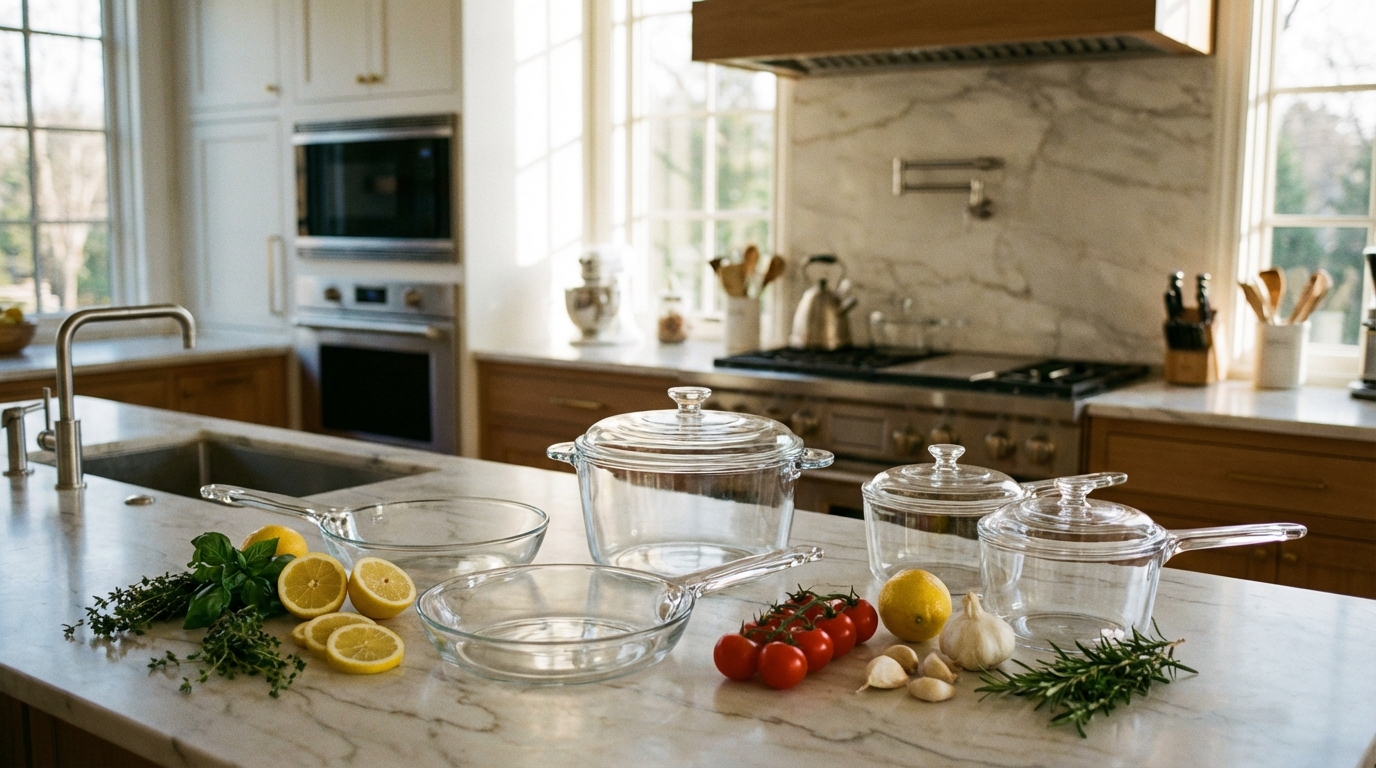
Glass pots are ideal for acidic sauces because they don't react with ingredients like tomato or wine, avoiding metallic flavors and chemical leaching. The guide explains how to choose durable, heat-resistant glass cookware and use it properly--gradual heating, gentle temperatures, and non-scratch utensils--to prevent damage. It also covers care tips to extend lifespan, helping home cooks safely prepare flavorful sauces with versatile, non-toxic cookware. Done!
Why Choose Non-Toxic Glass Pots for Acidic Sauces
Because glass pots never leach chemicals or react with acidic foods, they keep your tomato sauce and citrus marinades tasting exactly as you intended--clean, bright, and completely metal-free.
Health Benefits of Non-Toxic Glass
Glass cookware skips the chemicals entirely--no BPA, phthalates, or synthetic coatings that could end up in your food. This matters when you're simmering tomato sauce for hours or reducing a citrus marinade. While plastic can release microplastics when heated, and even quality metals like stainless steel may leach trace amounts of nickel under certain conditions, glass stays completely inert. [1] It's just sand, soda ash, and limestone fused together--materials that won't react with your food no matter how long you cook.
As Registered Nutritionist Jenna Hope notes: "Glass containers do not contain any plastics or chemicals and therefore they don't release toxic by-products into your food." [2] What really sets glass apart is its consistency over time. You know those ceramic-coated pans that start chipping after a year? Or the non-stick surface that begins to wear?
Glass doesn't have any coating to fail. [3] There's no seasoning to maintain like cast iron, no protective layer to baby. A glass pot performs exactly the same on day 1,000 as it did on day one. [2] That reliability matters if you're managing food sensitivities or just want to know exactly what's touching your food. While high-quality stainless steel cookware offers similar non-reactive properties for many dishes, glass remains the gold standard for absolute chemical-free cooking. [1]
How Glass Handles Acidic Ingredients
Here's the simple truth about cookware and acid: some materials fight back. Reactive metals like aluminum, copper, and unlined iron actually release metal atoms when they meet acidic ingredients. That tomato sauce you've been perfecting? In the wrong pot, it picks up a metallic tang that wasn't in your recipe. [4] Glass takes the opposite approach--it's one of the most non-reactive materials you can cook with, holding onto its atoms no matter how much lemon juice or vinegar you throw at it. [4] This makes a real difference in your cooking.
Think about your favorite marinara, that wine reduction you serve at dinner parties, or the citrus glaze that makes your salmon sing. In glass, these flavors stay clean and true. The bright pop of fresh lemon stays bright. The complex notes in your wine sauce don't get muddled with metallic undertones. [5] Sure, enamel-coated and anodized aluminum can handle acids too--until you scratch them.
One slip with a metal spoon and suddenly that protective layer is compromised, exposing reactive metal underneath. [6] Glass doesn't play that game. No coating means nothing to scratch through, nothing to worry about.

Key Features to Look for in Non Toxic Glass Pots and Pans
Choose borosilicate-glass cookware--oven-safe to 572 degreesF and tough enough for dishwasher cycles--so you can brown, simmer, and serve an acidic tomato sauce in one transparent pot without flavor-losing transfers or hidden boil-overs.
Durability and Heat Resistance
The material that makes glass pots genuinely cookware-worthy--rather than just storage vessels--is borosilicate glass.
Unlike standard soda-lime glass, borosilicate is made by fusing silica sand with boron trioxide, which limits how much the glass expands under heat. [7] That reduced thermal expansion is what prevents cracking when you move a pot from stovetop to oven, and it's why borosilicate glass cookware can handle temperatures up to 572 degreesF without warping or melting. [8] Its durability advantage comes from the manufacturing process itself: borosilicate cools more slowly than regular glass, which hardens the material and keeps it from becoming brittle--meaning it can survive the everyday knocks and dishwasher cycles that would chip or cloud standard glass. [7] That said, durability has clear limits.
Sudden, extreme temperature shifts--like pulling a pot directly from the freezer and placing it on a hot burner--can still shock the material and cause cracking, so gradual temperature transitions matter. [7]
Design for Oven‑to‑Table Convenience
The practical case for glass pots goes beyond material chemistry--it's also about how they move through a meal.
Glass cookware designed for oven-to-table use typically combines secure lids, easy-grip handles, and multi-size options (ranging from 1-quart portions up to 8-quart family-sized vessels) so the same pot that goes into the oven comes straight to the table without a transfer. [9] That matters for acidic sauces specifically, because decanting a hot tomato or wine reduction into a serving bowl means extra cleanup, extra risk of spills, and flavor lost to a second cold surface.
The optical clarity of borosilicate glass--which transmits 90-92% of light--also means you can monitor a sauce's color and consistency through the pot walls without lifting the lid, keeping heat stable during the final stages of cooking. [10] Designs with fitted lids serve double duty: they trap steam during oven cooking to prevent sauces from reducing too aggressively, then seal leftovers directly in the same vessel for refrigerator storage. [9] Round and oval form options let you match pot shape to burner or oven rack configuration, while dishwasher-safe construction means the convenience extends through cleanup as well. [10]
Practical Tips for Cooking Acidic Sauces in Glass
Avoid shattering your glass pot by letting it warm to room temperature before heating, always setting it on a dry trivet, and choosing sturdy borosilicate pieces marked "oven-safe."
Temperature Management and Preventing Cracks
Here's the truth about glass cookware: heat won't break it, but sudden temperature changes will. When glass moves too quickly between hot and cold, it expands or contracts unevenly, creating stress that leads to cracking. [11] The good news?
Borosilicate glass--the type used in quality cookware--handles temperature shifts much better than regular glass because it expands slowly and evenly. [12] Consumer Reports demonstrated this dramatically: a hot glass dish placed on a wet granite counter shattered almost instantly. [11] It's easier to make this mistake than you'd think--especially when you're juggling multiple pots during dinner prep. The rules for preventing cracks are simple: Give cold glass time to reach room temperature before heating.
Never move glass from freezer to burner. Always set hot cookware on a dry trivet or cooling rack, not directly on cold or wet surfaces. [11] When shopping for glass pots that'll handle your tomato sauces and wine reductions, check the bottom for markings like "borosilicate," "heat-resistant," or "oven-safe." These aren't just marketing terms--they tell you the glass can handle real cooking conditions. [12] Quality glass cookware built for the stovetop, like our stainless steel pan alternatives, clearly indicates its heat tolerance right on the product.
Cleaning, Storing, and Longevity
Those tomato and wine sauces you love? They'll leave stubborn residue on glass, but cleanup doesn't have to be a battle. Here's what works: Fill your sink with hot water, add plenty of dish soap plus a cup of baking soda, and let the pot soak overnight. [13] In the morning, make a paste with equal parts dish soap and baking soda, then scrub with a non-scratch sponge--skip the steel wool, which creates tiny scratches that weaken the glass. [13] For really stubborn marks, a magic eraser does the job without damage. [13] Smart storage extends your cookware's life significantly.
Glass pots that bang against each other develop chips along the edges--damage that eventually leads to cracking. Place cloth napkins or silicone pads between stacked pieces to prevent contact. [14] Your daily cooking habits matter too. Stick with silicone or wooden utensils instead of metal ones, which scratch the surface and create weak spots. [14] Make it a habit to give your glass cookware a quick once-over before cooking--look for chips or hairline cracks, especially along the rim.
Damaged glass is much more likely to fail when you're simmering that acidic marinara than during any other use. [14]
Making the Most of Your Glass Cookware Investment
Borosilicate glass offers the most budget-friendly, non-toxic cookware that keeps performing year after year--just verify lead- and BPA-free certifications, then recycle or donate it when it finally reaches the end of its long life.
Affordable Quality Options and Value
Borosilicate glass cookware delivers exceptional value--it's one of the most affordable non-toxic cooking materials you'll find. [16] The key to getting your money's worth? Look for customer reviews that speak to actual durability, since manufacturing standards vary. [15] When shopping, check for explicit lead-free and BPA-free labels.
Products designed in Europe or those meeting California's strict food-safety standards typically offer more consistent quality and verifiable third-party testing. [15] Some manufacturers even publish certifications showing their glass is 2.5 times more resistant to breakage than standard glass--that's the durability difference that matters for daily cooking. [15] The long-term math works in your favor too. Unlike coated cookware that degrades over time, glass maintains its performance year after year.
No surfaces to scratch, no coatings to replace--just consistent, reliable cooking. [15][17] For anyone building a non-toxic kitchen on a budget, that longevity makes glass a smart starting point. Consider pairing glass cookware with other durable options like a
Sustainable Care Practices to Reduce Waste
Glass cookware supports sustainable cooking in practical ways. The transparency we discussed in Section 2 does double duty--you can check your sauce without lifting the lid, which keeps heat stable and cuts energy waste. [18] When glass cookware finally cracks or chips beyond safe use, the material stays out of landfills.
Glass recycles infinitely without quality loss, and research shows the CO2 savings from recycling often outweigh transportation emissions. [19] Before tossing functional cookware you no longer need, check with local charities, shelters, or thrift stores--they'll often gladly accept gently used pots. [20] Some brands even offer take-back programs for end-of-life disposal. Ask about these options when you shop--it's one more way to close the sustainability loop from purchase to disposal. [20] Combined with the durability and cleaning tips from Section 4, these practices help you maximize both the lifespan and environmental benefits of your glass cookware investment.
- Glass pots won't leach metals or chemicals into acidic tomato or citrus sauces.
- Borosilicate glass withstands thermal shock, moving safely from oven to table.
- Choose pots with tight-fitting glass lids to retain moisture and flavor in sauces.
- Heat glass cookware gradually and avoid sudden temperature changes to prevent cracking.
- Use silicone or wooden utensils to protect the glass surface from scratches.
- Allow glass cookware to cool before washing to extend its lifespan.
- https://nephcure.org/safe-kitchen-choices-a-comprehensive-guide-to-non-toxic-cookware/
- https://healf.com/blogs/health-journal/why-glass-kitchen-equipment-is-better-for-your-health
- https://destudiohome.com/blogs/news/is-stainless-steel-or-glass-less-toxic-find-out-now?srsltid=AfmBOorrq77jBbMiZwpdmoRX3DYy7dEAJzuqUsTpidSEMAABXat-lR0p
- https://www.thespruceeats.com/what-is-non-reactive-cookware-3050541
- https://www.heltontoolandhome.com/blog/why-pyrex-glass-mixing-bowls-are-ideal-for-acidic-ingredients/?srsltid=AfmBOorIaSQ8lwwAu7fsteoA2e8aGcg0jPOP4FdhYeAcnqH_IUmwoOgS
- https://www.davidlebovitz.com/what-is-nonreactive-reactive-cookware/
- https://www.crystaliausa.com/blogs/blog/everything-you-need-to-know-about-borosilicate-glass?srsltid=AfmBOorAx6HSh8YQyLt7rwjdjIz1DuHRX5sv4EIvVn9iuZXgGg1r0XXh
- https://www.amazon.com/Resistant-Borosilicate-Cookware-Stovetop-Saucepan/dp/B0DLKK5BP4
- https://www.amazon.com/Simax-Round-Casserole-Baking-Dishes/dp/B084Q5KH2L
- https://thesimax.com/
- https://blogs.extension.iastate.edu/answerline/2019/03/04/glass-kitchenware-cautions/
- https://www.dickinsonglass.com/blog/microwave-oven-glassware-guide
- https://alovelyplacecalledhome.com/2022/02/07/the-easy-way-to-restore-your-glass-cookware/
- https://yinghuadecookware.com/9-hacks-to-extend-the-life-of-glass-cookware.html
- https://eatbeautiful.net/borosilicate-glass-cookware-the-best-pot-youre-not-using-yet/
- https://www.thegoodtrade.com/features/nontoxic-cookware/
- https://www.heltontoolandhome.com/blog/how-glass-cookware-combine-health-and-sustainability/?srsltid=AfmBOoqYIA3gRUH2UIgSyF3wKsgIPICnJiNlzaWqpxBLElHDzr6oHE7y
- https://www.ecoparent.ca/eco-home/balancing-utility-and-sustainability-green-cookware
- https://skiphirehainault.co.uk/blog/your-guide-to-sustainable-pots-and-pans-disposal