

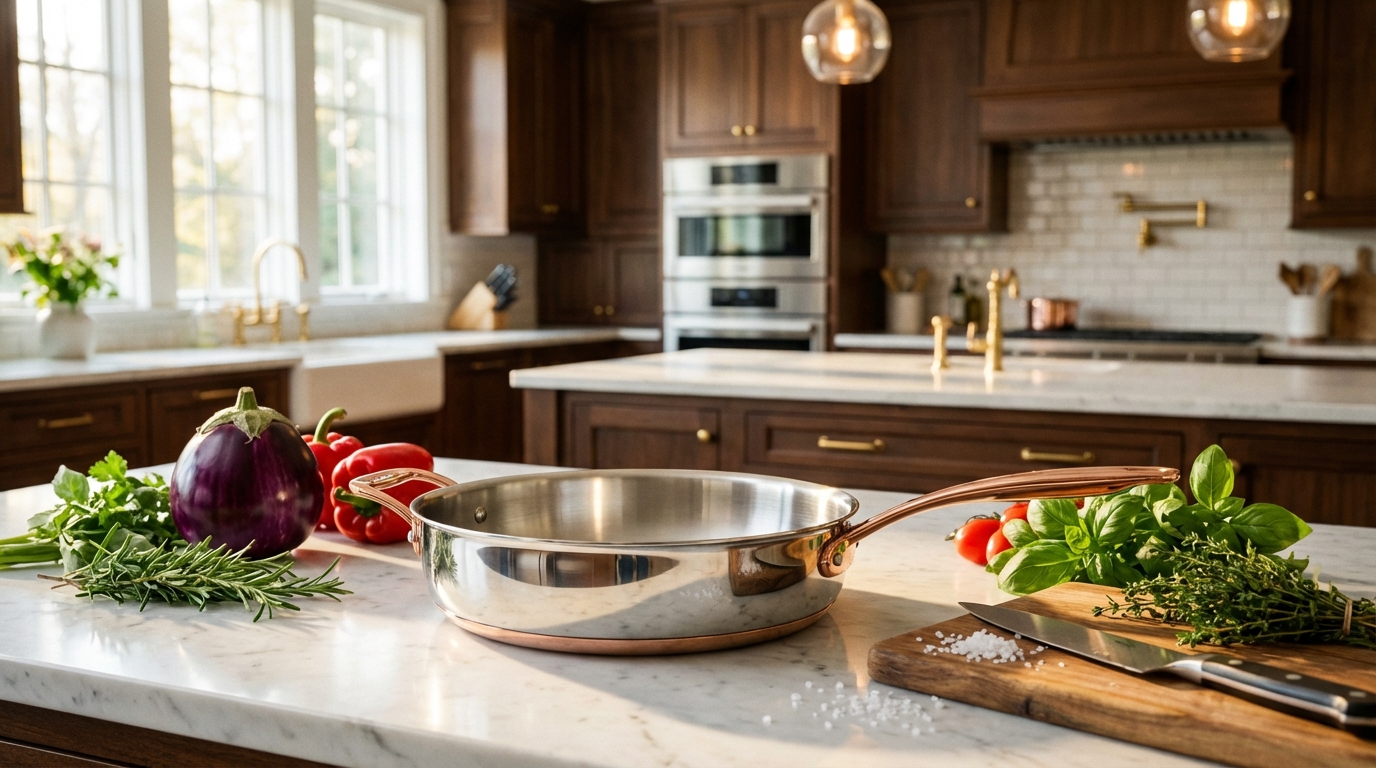
A single, genuinely non-toxic, multi-purpose pan can replace a cluttered rack of coated cookware, and this article shows why that swap matters for both health and flavor. Readers learn how common PTFE, PFOA, and heavy-metal coatings degrade with heat and time, releasing chemicals into family meals, then discover the safer materials--medical-grade stainless steel, ceramic, and cast iron--that deliver even heat without the toxins. The piece walks through the must-have design details (oven-safe handles, multi-ply cores, slick-yet-natural surface finishes) that let one pan sear, sauté, braise, and bake, and it supplies a concise buyer checklist (induction compatibility, warranty length, third-party safety certifications) so shoppers can separate marketing hype from laboratory proof. Finally, simple care rules--low-to-medium heat, wooden or silicone tools, hand washing with mild soap, periodic seasoning--are laid out to keep the surface performing like new for decades, cutting replacement costs and landfill waste. By the end, cooks understand how choosing and maintaining the right non-toxic hero pan protects their health, streamlines their kitchen, and elevates every dish they prepare.
Why a non toxic multi purpose pan is essential for healthy cooking
Every scratch or high-heat use on a PTFE "forever-chemical" pan can release toxic microplastics into your food and air--so switching to ceramic, cast-iron, or carbon steel cookware is a health-protective move that can last for generations.
Eliminating harmful chemicals for better health
Here's what most people don't realize about their non-stick pans: they're coated with PTFE--a "forever chemical" that builds up in your body instead of breaking down. Research links these PFAS chemicals to serious health issues, from thyroid problems and weakened immunity to increased risk of cardiovascular disease and certain cancers. [1] It gets worse when your pan gets scratched or overheated.
At temperatures above 250 degreesC (which you can hit faster than you think), PTFE releases microplastics directly into your food and air. Studies show these particles can damage respiratory systems and even affect infant development when mothers are exposed during pregnancy. [2] Don't trust the labels either.
"PFOA-free" sounds safe, but it's misleading--Consumer Reports found PFAS chemicals in supposedly PFOA-free pans because these compounds form during manufacturing anyway. The same testing showed that only PTFE-free options like ceramic, cast iron, and stainless steel tested completely clean across all 96 PFAS compounds. [3] That's why understanding your cookware materials matters more than marketing claims.
Reducing environmental waste with safe, durable cookware
Beyond your kitchen, conventional cookware creates problems at every stage. Factory workers making PTFE coatings face exposure to chemicals that cause silicosis--a fatal lung condition with no cure. [4] Then there's the waste: manufacturers tell you to replace coated pans every two to five years (sooner if the coating peels), creating a predictable landfill cycle. [5] There's a better way.
Cast iron and carbon steel pans last for generations, actually improving with use as their natural seasoning develops. These aren't just pans--they're kitchen investments that get passed down through families. [6] Even ceramic-coated options outperform PTFE for sustainability, using mineral-based coatings that need less oil for cooking and less water for cleanup.
Some manufacturers now offer recycling programs for old cookware too. [6] When you choose cookware built to last decades instead of years, you're making both a health choice and a practical one. Less waste, better performance, and no toxic chemicals--that's what multipurpose cooking should look like.
Key design features that make a pan truly non‑toxic and versatile
Skip the synthetic coatings and choose stainless, cast iron, carbon steel or ceramic pans with straight, deep walls and maybe a nestable insert, because this single, PFAS-free vessel will sear, fry, steam, braise and even store its tools--doing ten jobs and outlasting any coated alternative.
Material choices that stay toxin‑free and distribute heat evenly
The four materials that reliably test free of PFAS while delivering consistent heat are stainless steel, cast iron, carbon steel, and ceramic. Stainless steel--specifically 18/10 grade with 18% chromium and 10% nickel--handles high heat without warping or reacting with foods. Single-layer steel creates hot spots, so quality cookware uses tri-ply or multi-ply construction with an aluminum or copper core between steel layers for even heating. [8] Cast iron heats slowly but holds that heat exceptionally well.
It's ideal for searing and moves seamlessly from stovetop to oven. The surface develops natural seasoning over time, building non-stick performance without synthetic coatings. [7] Carbon steel offers similar benefits but weighs significantly less and responds to temperature changes faster. That's why chefs reach for carbon steel pans when they need precise heat control for high-temperature cooking. [9] Ceramic coatings provide a practical middle ground.
Made from silicon dioxide--essentially sand-derived minerals--they handle acidic foods that would damage cast iron seasoning or react with stainless steel. They also require minimal oil during cooking. [7] The trade-off? Ceramic coatings typically last one to three years, while uncoated cast iron and stainless steel can last generations. [7]
Smart geometry and multifunctional surfaces for everyday meals
Pan shape determines how much a single piece of cookware can do. Deep, straight sides let one pan handle searing, simmering, deep-frying, and braising without switching vessels. A well-designed multi-purpose pan runs deep enough to fry fish or boil pasta while its flat base still reaches temperatures needed for proper searing.
Some designs include inserts that function as both steamers and strainers, stacking with the lid for storage. [10] Integrated tool storage, like grooves for nesting spatulas, turns the pan into a self-contained system. [10] These versatile designs can support up to ten cooking methods in a single vessel. [11] Some manufacturers engineer the cooking surface itself beyond just shape. Honeycomb patterns embed stainless steel ridges into PFAS-free ceramic coatings--the steel contacts food directly for browning while the ceramic between ridges prevents sticking. This delivers searing performance without sacrificing easy release. [10] Lid design multiplies versatility.
Self-basting dimples on the underside of cast iron lids ensure condensation drips back evenly over food rather than pooling at edges. This makes a measurable difference in moisture retention during long braises. [10] The same principle applies to other cookware--lid dimples collect steam and return moisture to food as it cooks. [12] Smart details add functionality: flat lids with precision steam-release holes prevent boil-overs without lifting the lid, [12] while measuring marks etched inside vessels eliminate the need for separate measuring cups. Lids designed to vent steam before pressure builds prevent spills. [12] Each design choice converts a single pan into a coordinated system--fewer pieces needed, more control achieved.
How to pick the right non toxic multi purpose pan for your kitchen
Let your real cooking habits--not specs or price--steer you to a single, lifetime-warranted, nickel-free pan that's light enough to lift, big enough for tonight's fry-tomorrow's steam-and-bake marathon, and safe from stovetop to fridge.
Evaluating size, weight, and price without compromising quality
Size, weight, and price each pull in different directions--and the trade-offs become real once you're actually cooking.
A 10.5-inch pan handles most everyday tasks for one to two people without dominating a standard burner, while 12-inch versions offer more cooking surface if you regularly feed a crowd.
Weight is where material choices (discussed in detail in Key design features) turn physical: cast iron skillets commonly run between 5.5 and 6.7 lbs, which delivers exceptional heat retention but makes maneuvering a full pan genuinely demanding. [13] Carbon steel, like our
Matching the pan to your cooking style and budget
Your actual cooking habits should drive the final decision more than any material spec.
If your cooking spans a wide range of methods in a small kitchen--frying one night, steaming the next, boiling pasta after that--look for versatile designs that replace multiple traditional pieces including a fry pan, sauté pan, steamer, and roasting dish in a single vessel. [9] Cooks who regularly move between stovetop and oven need to match their pan's temperature rating to actual use: quality ceramic-coated pans handle up to 600 degreesF for broiler-finishing braises, while some materials extend even further--from cooktop to oven to BBQ to microwave to refrigerator--making them practical choices if you cook in volume and store directly in the pan rather than transferring to separate containers. [9] Health-specific needs add a filter that price comparisons won't capture: anyone with a nickel sensitivity should avoid 18/10 stainless steel entirely and look at 430-grade (18/0) stainless instead, which removes nickel from the alloy, though that grade is less durable than 304-grade pans and will eventually need replacing. [14] For households that want to buy once and stop thinking about cookware, look for brands that offer lifetime warranties and transparent manufacturing--conditions that make for the lowest-maintenance long-term option regardless of entry price. [9]
Maintaining performance: care, cleaning, and extending the life of your pan
Use the right cleaning method for your pan's material--gentle soap and a soft sponge for most, no soaking or cold water shock for raw cast iron, and a quick wipe-down and dry for everything else--to keep its surface intact and performing like new.
Tips to keep flavor pure and the pan lasting for years
Practical cleaning routines that preserve non‑toxic surfacesThe right cleaning method depends entirely on your pan's material--and yes, the differences really do matter. Cast iron needs special attention: skip the dishwasher and don't let it soak, as both lead to rust. Never run cold water over a hot pan either--the thermal shock can warp or crack it. For daily cleaning, go ahead and use mild dish soap with hot water and a soft sponge. That old myth about soap ruining cast iron seasoning? Completely false--even Lodge says soap is fine on their pans. [15] After washing, dry your pan thoroughly with a towel, or pop it on low heat or in a 200-300 degreesF oven to evaporate any lingering moisture. Then add a few drops of neutral oil and wipe until it's nearly dry with a paper towel. [15] Got stuck-on food?
Try this: while the pan's still warm, sprinkle in a quarter cup of kosher salt with a splash of warm water and scrub gently--the salt works its magic without harming the seasoning. Or simply boil one to two cups of water in the pan until the residue loosens, then scrape with a wooden spatula. (If you're looking for similar performance with easier maintenance, a carbon steel pan follows the same care routine but responds faster to temperature changes.) [15] Enameled cast iron needs gentler treatment: always let it cool before washing to prevent enamel cracks, stick to soft sponges, and avoid citrus-based cleaners that can dull the finish. [15] Ceramic-coated pans follow similar rules--steel wool or abrasive scrubbers will wear down the coating much faster than regular cooking ever will. [16] Keep it simple: use a soft sponge with dish soap and hot water for daily cleaning. For stubborn food, let the pan soak briefly before scrubbing--patience beats elbow grease every time. Good cleaning protects your pan, but how you cook and store it determines whether it'll perform like new months down the road. The biggest culprit? Cooking sprays.
Those propellants and additives leave behind a stubborn residue that bonds to your pan's surface when heated, building up layer by layer and gradually ruining the finish. [17] Instead, use a few drops of neutral oil or a pat of butter--they do the job without the buildup and actually enhance your food's flavor. Metal utensils pose a similar threat: one scratch won't destroy your pan, but repeated scoring from metal spatulas and tongs speeds up coating breakdown and can shed particles into your food. [17] Silicone or wooden utensils solve this problem completely. Storage matters too--stacking pans directly grinds one cooking surface against another's exterior, causing gradual wear you won't notice until it's too late. [17] Simply slip a dish towel, paper towel, or pan protector between each piece. One final tip: match your material to your ingredients. Acidic foods like tomatoes and citrus react with bare cast iron, stripping the seasoning and leaving a metallic taste while forcing you to re-season the pan. [17] Save those dishes for ceramic or stainless steel, which handle acids without affecting flavor or finish.
- Non-toxic pans eliminate chemical leaching into food during cooking.
- True non-toxic pans use ceramic, cast iron, or stainless steel without PFAS coatings.
- Multi-purpose design replaces multiple specialty pans, reducing kitchen clutter.
- Proper seasoning and low-to-medium heat prevent damage to non-toxic surfaces.
- Avoid metal utensils and thermal shock to extend pan lifespan significantly.
- https://www.sfenvironment.org/should-i-be-concerned-about-using-non-stick-cookware
- https://www.medicalnewstoday.com/articles/are-nonstick-pans-toxic
- https://www.consumerreports.org/toxic-chemicals-substances/you-cant-always-trust-claims-on-non-toxic-cookware-a4849321487/
- https://www.leafscore.com/eco-friendly-kitchen-products/how-to-buy-safe-cookware/
- https://www.nytimes.com/2025/10/27/well/live/nontoxic-cookware-pfas-safe.html
- https://www.greenmountainenergy.com/en/blog/green-living-and-more/sustainable-nontoxic-cookware-safe-pots-and-pans
- https://www.healthierhomes.com/post/what-is-the-healthiest-material-for-cookware?srsltid=AfmBOooXMgL_T2frcCz1p_6JeN4IA_Iv_nZG26Oru9TPHgAhqKcOJwkr
- https://www.wellnessdaddy.com/post/which-non-toxic-pan-is-best
- https://www.foodnetwork.com/how-to/packages/shopping/product-reviews/best-nontoxic-cookware
- https://www.foodandwine.com/lifestyle/kitchen/best-non-toxic-cookware
- https://www.theguardian.com/thefilter/2025/feb/28/best-pfas-free-frying-pans
- https://www.thegoodtrade.com/features/nontoxic-cookware/
- https://www.theguardian.com/thefilter-us/2026/feb/21/best-non-toxic-pans
- https://mamavation.com/product-investigations/safest-cookware-stainless-steel-cast-iron-ceramic-bakeware.html
- https://www.nytimes.com/wirecutter/guides/how-to-clean-cast-iron-skillet/
- https://www.abt.com/learn/how-to-clean-ceramic-cookware
- https://www.sensarte.com/blogs/all/prolonging-the-longevity-of-your-nonstick-cookware-best-practices-for-care
- Summary
- Why a non toxic multi purpose pan is essential for healthy cooking
- Key design features that make a pan truly non‑toxic and versatile
- How to pick the right non toxic multi purpose pan for your kitchen
- Maintaining performance: care, cleaning, and extending the life of your pan
- Key Takeaways
- References